Cover Story
Tank schema: anatomy of the Challenger 3
Within the heavily armoured shell of the British Army’s future Challenger 3 MBT, a range of suppliers from the UK and overseas contribute. Richard Thomas reports.
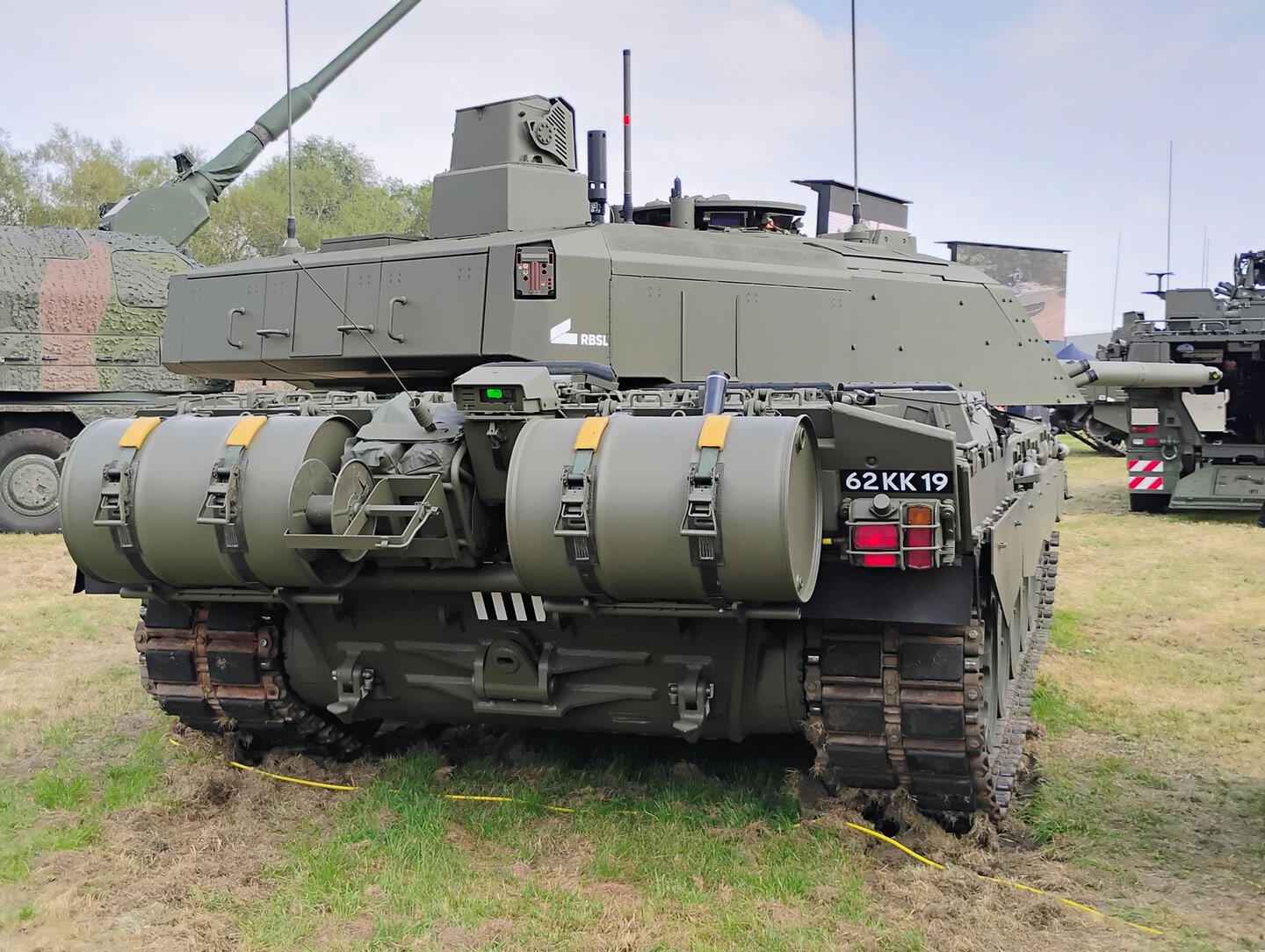
Main image: The Challenger 3 MBT is a key British Army programme. Credit: Author
Cover Story
Eye in the sky
As the first line of threat detection, airborne early warning is a must-have capability for the world’s militaries. Gordon Arthur reports.
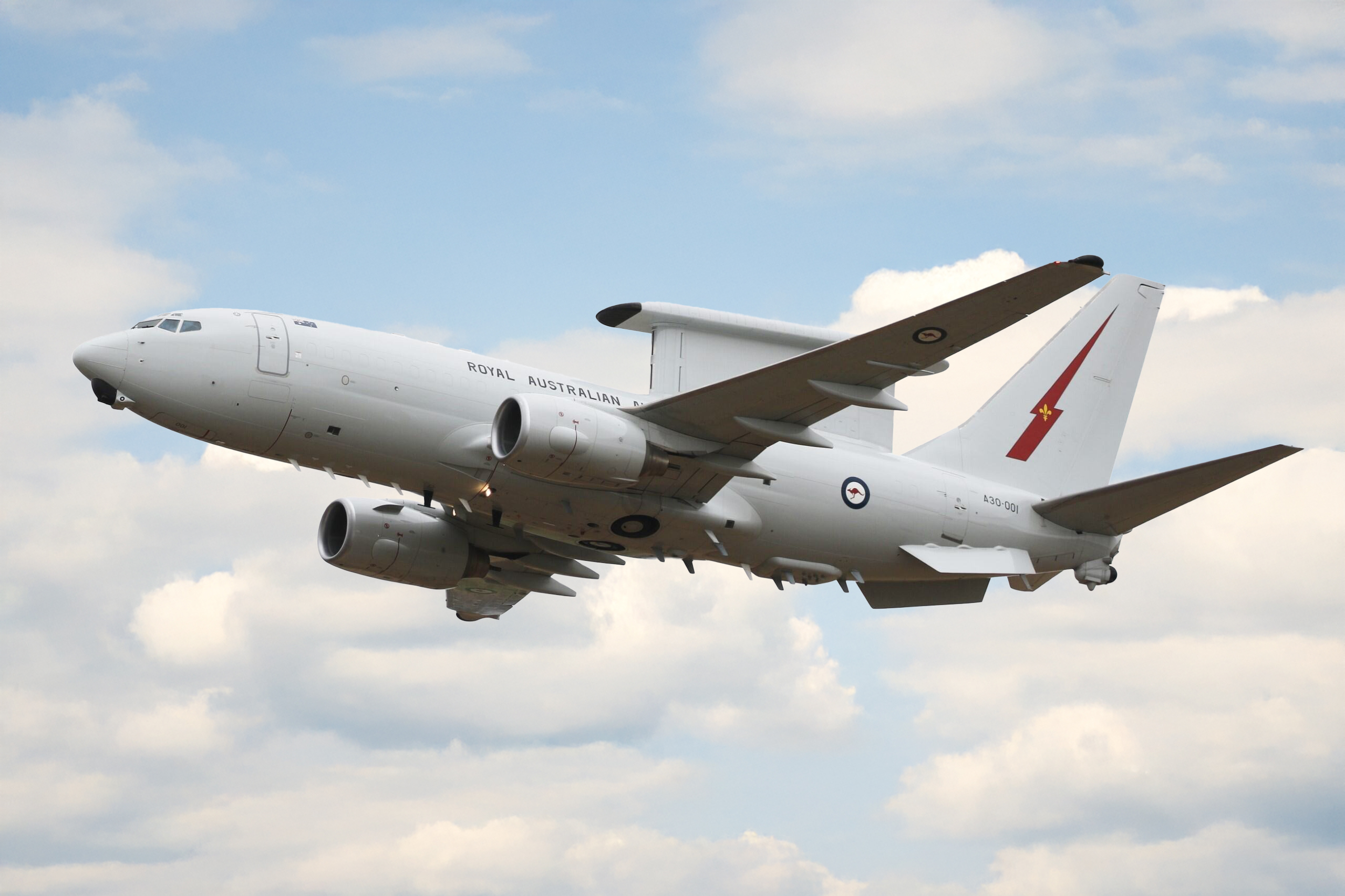
Australia was the first country to adopt the E-7A Wedgetail. Credit: Gordon Arthur
Reaffirmed in July prior to the beginning of the summer holidays and the implementation of out-of-office messages on emails across Whitehall, the UK government confirmed approximately 60% of the Challenger 3 main battle tank (MBT) supply chain will be provided by UK suppliers.
Good news for a land armaments sector that – since the design, development, and fielding of 90s-era armour like the Challenger 2, Warrior infantry fighting vehicle, and AS90 self-propelled artillery – has largely lost its ability to indigenous perform cradle-to-grave armoured programmes.
Much of Challenger 3 can be traced to Rheinmetall, a German defence prime at the very top of the land armoured game. Germany too can trace its influence in the Boxer mechanised infantry vehicle now entering UK service and the British Army’s future RCH155 artillery.
The Warrior’s effective replacement, the Ajax series of tracked armour, is being assembled in the UK to a US-owned Spanish (ASCOD) design.
Nevertheless, with the introduction into service of the first of a planned 148 Challenger 3 MBTs potentially to be achieved in 2027, UK and overseas suppliers to the programme are able to rely on the certainty of several years of contracted work ahead of them, with the platforms officially due to serve until 2040.
The DroneGun Mk4 is a handheld countermeasure against uncrewed aerial systems. Credit: DroneShield
One key programme that will affect by a number of European operators is the evolution of the Type 212A conventional diesel-electric submarine (SSKs) design. Three nations are building on this legacy model in two different variations: first, the German and Norwegian Type 212 Common Design (CD) and second, Italy’s U212 Near Future Submarine (NFS).
It will also be valuable to examine how these changes differ from the capabilities offered by other European SSK designs, including the Dutch Orka class and Swedish Bleckinge-class submarines.
Challenger 3: down the supply chain
Central to the £800m (~$1bn) contract awarded by the UK Ministry of Defence in 2021 to Rheinmetall BAE Systems Land – a joint venture (JV) between Rheinmetall and BAE Systems – will be the fitting of the German company’s L55A1 120mm smoothbore gun in a new turret.
Additional upgrades include an upgraded engine with new cooling system and hydrogas suspension, a new suite of thermal cameras and sights, a secretive new modular armour, and an automated target detection and tracking system.
Global Defence Technology explores the range of suppliers, both UK and overseas, that are playing a part in the development of the British Army’s future, if decidedly small, MBT force.
Prime Contractor
Rheinmetall BAE Systems Land (RBSL):
The JV between BAE Systems and Rheinmetall is the prime contractor, responsible for design, assembly, and integration of the Challenger 3 MBT in Telford, UK. Germany’s Rheinmetall hold a 55% stake in the JV, with the UK’s BAE Systems holding the remaining 45%.
Notable Subcontractors & Suppliers
Pearson Engineering (UK):
Awarded a £25m contract to fabricate turret structures housing critical subsystems, part of an effort to ensure the Challenger 3 is a more digitally capable platform.
Thales (France):
£90m subcontract to provide panoramic and fixedazimuth weapon aiming sights and a signal processing system offering video tracking.
Rheinmetall (Germany):
Provides the 120mm L55A1 smoothbore main gun, a type widely operated by European militaries in the Leopard-series MBTs, and able to fire programmable multipurpose ammunition. However, it cannot operate depleted uranium ammunition.
Rafael Advanced Defense Systems (Israel):
Supplier of the Trophy active protection system for enhanced defensive capabilities, in an initial £20m deal. Testing will take place at sites in the UK and Israel.
Rheinmetall Electronics (UK):
Supplies the Trailblazer Driver Vision System (DVS), which is also being supplied to the Warrior and Boxer platforms operated by the British Army.
CurtissWright (US-based):
Under an approximate $25m contract the company will provide turret drive stabilisation systems, notably the scalable Turret Drive Servo System (TDSS).
Jankel (UK):
RBSL awarded a supplier contact worth over £2m for the design, development, and delivery of 148 vehicle crew seating sets (444 seats) as part of the Challenger 3 programme.
ATEC Engineering Solutions (UK):
Secured an £8m subcontract for the supply of hull contactor panels, hull distribution junction boxes, and battery master switch box, as part of an enhanced power management and distribution system.
G&H Group (UK):
Awarded a £4.1m contract to supply periscope technology, namely a custom specific variant of the Embedded Image Periscope (EIP) for integration into the Trailblazer DVS.
MilDef (Sweden):
Will supply its Generic Vehicle Architecture-compliant processors and Ethernet switches, under a £2.5m contract. It is estimated that over 300 units will be provided through to 2029.
Olsen Actuators (UK):
The actuator and motion control specialists will provide customised actuator assemblies, including user interface and controllers, for the Challenger 3 min armament magazine door.
Oxley Group (UK):
Awarded approximately £1.39m to supply internal cabin, breach, and task lighting using LED technology. Manufacturing will begin at its Ulverston site in Cumbria.
Quantic Thistle (UK):
Received around £6m subcontract to supply encoders for the Turret Displacement Unit, which forms part of the new turret, providing positional data to vehicle systems.
TT Electronics (UK):
TT Electronics will lead the design, manufacture, and integration of the electric cable harness assemblies, enabling power and communication capability on the Challenger 3 prototype vehicles, in a multi-million-pound deal.
Horstman (UK):
Owned by Germany’s RENK Group, Horstman will refurbish and upgrade the Hydrogas suspension to third-generation standard for the Challenger 3 and engineering and recovery variants.
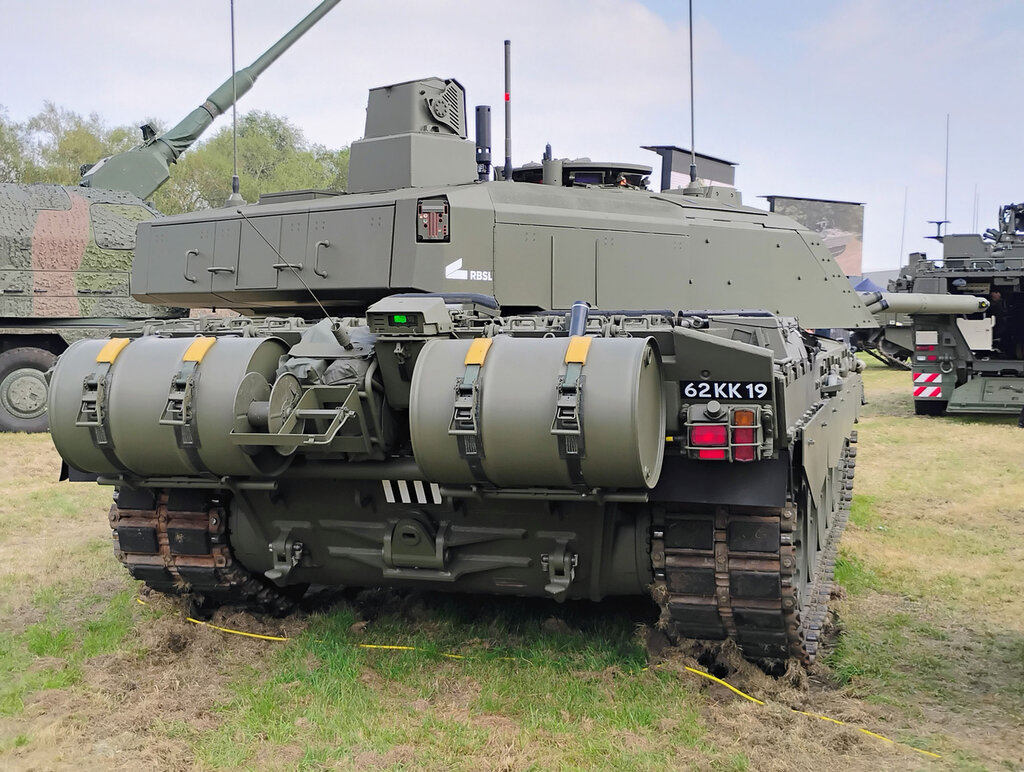
UK and overseas companies are invested in the programme. Credit: Author
Prime Contractor
Rheinmetall BAE Systems Land (RBSL):
The JV between BAE Systems and Rheinmetall is the prime contractor, responsible for design, assembly, and integration of the Challenger 3 MBT in Telford, UK. Germany’s Rheinmetall hold a 55% stake in the JV, with the UK’s BAE Systems holding the remaining 45%.
Notable Subcontractors & Suppliers
Thales (France):
£90m subcontract to provide panoramic and fixedazimuth weapon aiming sights and a signal processing system offering video tracking.
Notable Subcontractors & Suppliers
Pearson Engineering (UK):
Awarded a £25m contract to fabricate turret structures housing critical subsystems, part of an effort to ensure the Challenger 3 is a more digitally capable platform.
Notable Subcontractors & Suppliers
Rheinmetall (Germany):
Provides the 120mm L55A1 smoothbore main gun, a type widely operated by European militaries in the Leopard-series MBTs, and able to fire programmable multipurpose ammunition. However, it cannot operate depleted uranium ammunition.
Notable Subcontractors & Suppliers
Rafael Advanced Defense Systems (Israel):
Supplier of the Trophy active protection system for enhanced defensive capabilities, in an initial £20m deal. Testing will take place at sites in the UK and Israel.
Notable Subcontractors & Suppliers
Rheinmetall Electronics (UK):
Supplies the Trailblazer Driver Vision System (DVS), which is also being supplied to the Warrior and Boxer platforms operated by the British Army.
Notable Subcontractors & Suppliers
Curtiss-Wright (US-based):
Under an approximate $25m contract the company will provide turret drive stabilisation systems, notably the scalable Turret Drive Servo System (TDSS).
Notable Subcontractors & Suppliers
Jankel (UK):
RBSL awarded a supplier contact worth over £2m for the design, development, and delivery of 148 vehicle crew seating sets (444 seats) as part of the Challenger 3 programme.
Notable Subcontractors & Suppliers
ATEC Engineering Solutions (UK):
Secured an £8m subcontract for the supply of hull contactor panels, hull distribution junction boxes, and battery master switch box, as part of an enhanced power management and distribution system.
Notable Subcontractors & Suppliers
G&H Group (UK):
Awarded a £4.1m contract to supply periscope technology, namely a custom specific variant of the Embedded Image Periscope (EIP) for integration into the Trailblazer DVS.
Notable Subcontractors & Suppliers
MilDef (Sweden):
Will supply its Generic Vehicle Architecture-compliant processors and Ethernet switches, under a £2.5m contract. It is estimated that over 300 units will be provided through to 2029.
Notable Subcontractors & Suppliers
Olsen Actuators (UK):
The actuator and motion control specialists will provide customised actuator assemblies, including user interface and controllers, for the Challenger 3 min armament magazine door.
Notable Subcontractors & Suppliers
Oxley Group (UK):
Awarded approximately £1.39m to supply internal cabin, breach, and task lighting using LED technology. Manufacturing will begin at its Ulverston site in Cumbria.
Notable Subcontractors & Suppliers
Quantic Thistle (UK):
Received around £6m subcontract to supply encoders for the Turret Displacement Unit, which forms part of the new turret, providing positional data to vehicle systems.
Notable Subcontractors & Suppliers
TT Electronics (UK):
TT Electronics will lead the design, manufacture, and integration of the electric cable harness assemblies, enabling power and communication capability on the Challenger 3 prototype vehicles, in a multi-million-pound deal.
Notable Subcontractors & Suppliers
Horstman (UK):
Owned by Germany’s RENK Group, Horstman will refurbish and upgrade the Hydrogas suspension to third-generation standard for the Challenger 3 and engineering and recovery variants.
UK and overseas companies are invested in the programme. Credit: Author

Does the UK government’s 60% figure hold up?
Of the known value of awarded subcontracts in the above list, UK-based suppliers account for just over £46m, although this is not a complete picture as some companies did not disclose financial elements of their respective deals.
For non-UK suppliers, the subcontract totals in excess of £131m, or around 74% of the combined value of all suppler deals announced, and numerical values revealed.
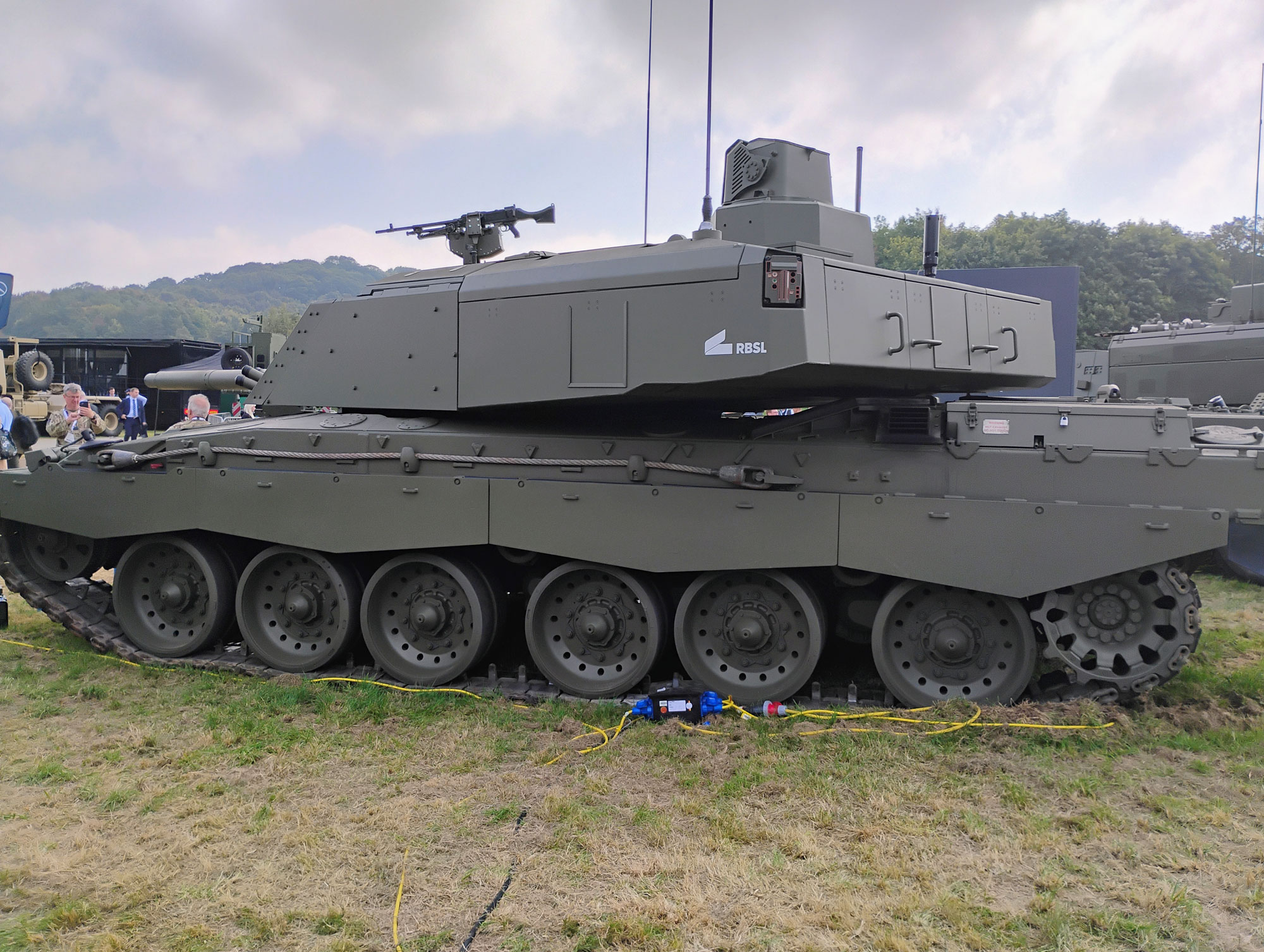
A new main gun and turret is the most notable upgrades. Credit: Author
It is also noted that Sheffield Forgemasters will provide steel material for use in the manufacture of gun barrels for the Challenger 3 and RCH 155 programmes as part of a wider UK government investment into its manufacturing base.
However, while the above data is incomplete, the sizeable difference in known contract values between UK and non-UK companies in the Challenger 3 supply chain raises questions over the UK government’s claim that 60% of the programme’s supply chain will be sourced in-country.
With Rheinmetall holding a majority of the RBSL JV, the Challenger 3 programme appears to lean heavily into industrial capabilities in Europe, although the reasons for this will not be as simple as London having a preference for German engineering.
To modernise the platform, via an April request for information, the USAF is canvassing the inclusion of a new radar, electronic warfare equipment and enhanced
communications to create an “Advanced E-7”. Two such examples are sought within seven years, after which other E-7s could be retrofitted with the modifications.
As for the UK, three 737NG aircraft are currently undergoing modification in Birmingham, the first completing its maiden flight in September 2024.
Global Defence Technology asked Boeing what makes the E-7 stand out, and a spokesperson listing three points. First is its allied interoperability. “With the aircraft in service or on contract with Australia, South Korea, Türkiye, the UK and USA – and selected by Nato – its unmatched interoperability benefits a growing global user community for integration in future allied and coalition operations.”

The E-7 platform is less expensive to operate compared to platforms based on small business jets.
Boeing spokesperson
The US is by far the largest spend on nuclear submarines. Credit: US Navy
Country | 2024 | 2025 | 2026 | 2027 | 2028 | 2029 | 2030 | 2031 | 2032 | 2033 | 2034 |
Australia | 3,582 | 3,586 | 3,590 | 3,594 | 3,613 | 3,622 | 6,183 | 6,207 | 6,216 | 6,239 | 6,380 |
China | 2,607 | 2,802 | 3,040 | 3,081 | 3,174 | 3,291 | 3,396 | 3,603 | 3,664 | 3,710 | 4,316 |
India | 2,320 | 2,533 | 3,675 | 2,457 | 2,526 | 2,639 | 2,741 | 2,873 | 2,958 | 3,350 | 3,560 |
Russia | 2,701 | 2,893 | 2,973 | 3,334 | 3,458 | 3,106 | 3,235 | 3,405 | 2,958 | 3,487 | 3,942 |
US | 16,957 | 18,037 | 18,522 | 18,607 | 18,137 | 18,898 | 18,898 | 19,643 | 19,876 | 22,592 | 23,730 |
Lisa Sheridan, an International Field Services and Training Systems programme manager at Boeing Defence Australia, said: “Ordinarily, when a C-17 is away from a main operating base, operators don’t have access to Boeing specialist maintenance crews, grounding the aircraft for days longer than required.
“ATOM can operate in areas of limited or poor network coverage and could significantly reduce aircraft downtime by quickly and easily connecting operators with Boeing experts anywhere in the world, who can safely guide them through complex maintenance tasks.”
Boeing also uses AR devices in-house to cut costs and improve plane construction times, with engineers at Boeing Research & Technology using HoloLens headsets to build aircraft more quickly.
The headsets allow workers to avoid adverse effects like motion sickness during plane construct, enabling a Boeing factory to produce a new aircraft every 16 hours.
Elsewhere, the US Marine Corps is using AR devices to modernise its aircraft maintenance duties, including to spot wear and tear from jets’ combat landings on aircraft carriers. The landings can cause fatigue in aircraft parts over its lifetime, particularly if the part is used beyond the designers’ original design life.

Caption. Credit:
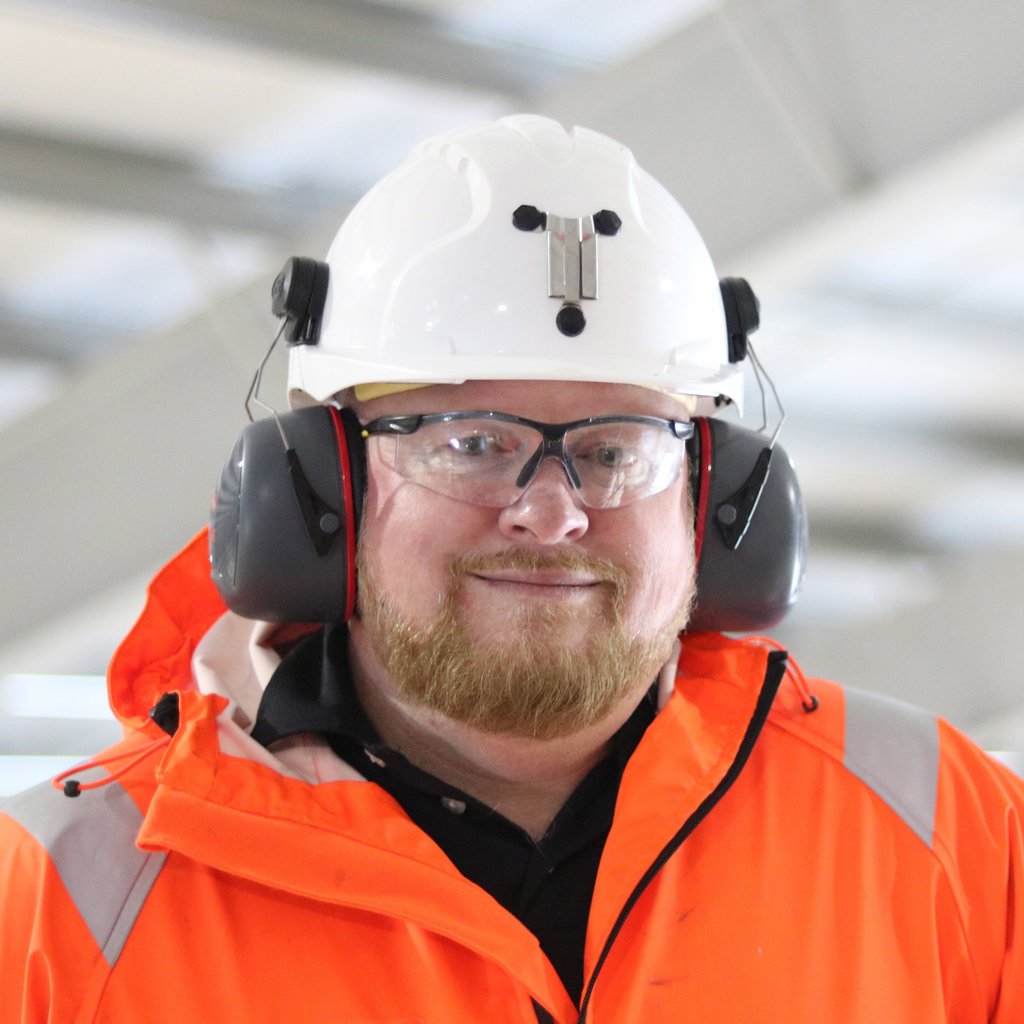
Phillip Day. Credit: Scotgold Resources
Total annual production
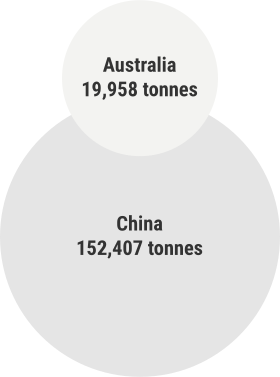
Australia could be one of the main beneficiaries of this dramatic increase in demand, where private companies and local governments alike are eager to expand the country’s nascent rare earths production. In 2021, Australia produced the fourth-most rare earths in the world. It’s total annual production of 19,958 tonnes remains significantly less than the mammoth 152,407 tonnes produced by China, but a dramatic improvement over the 1,995 tonnes produced domestically in 2011.
The dominance of China in the rare earths space has also encouraged other countries, notably the US, to look further afield for rare earth deposits to diversify their supply of the increasingly vital minerals. With the US eager to ringfence rare earth production within its allies as part of the Inflation Reduction Act, including potentially allowing the Department of Defense to invest in Australian rare earths, there could be an unexpected windfall for Australian rare earths producers.
