Feature
Call of duty: modern civil defence
Contemporary threats outside of the traditional battlefield are forcing a new approach to civildefence. Helen Haxell‑White reports.
Powered by


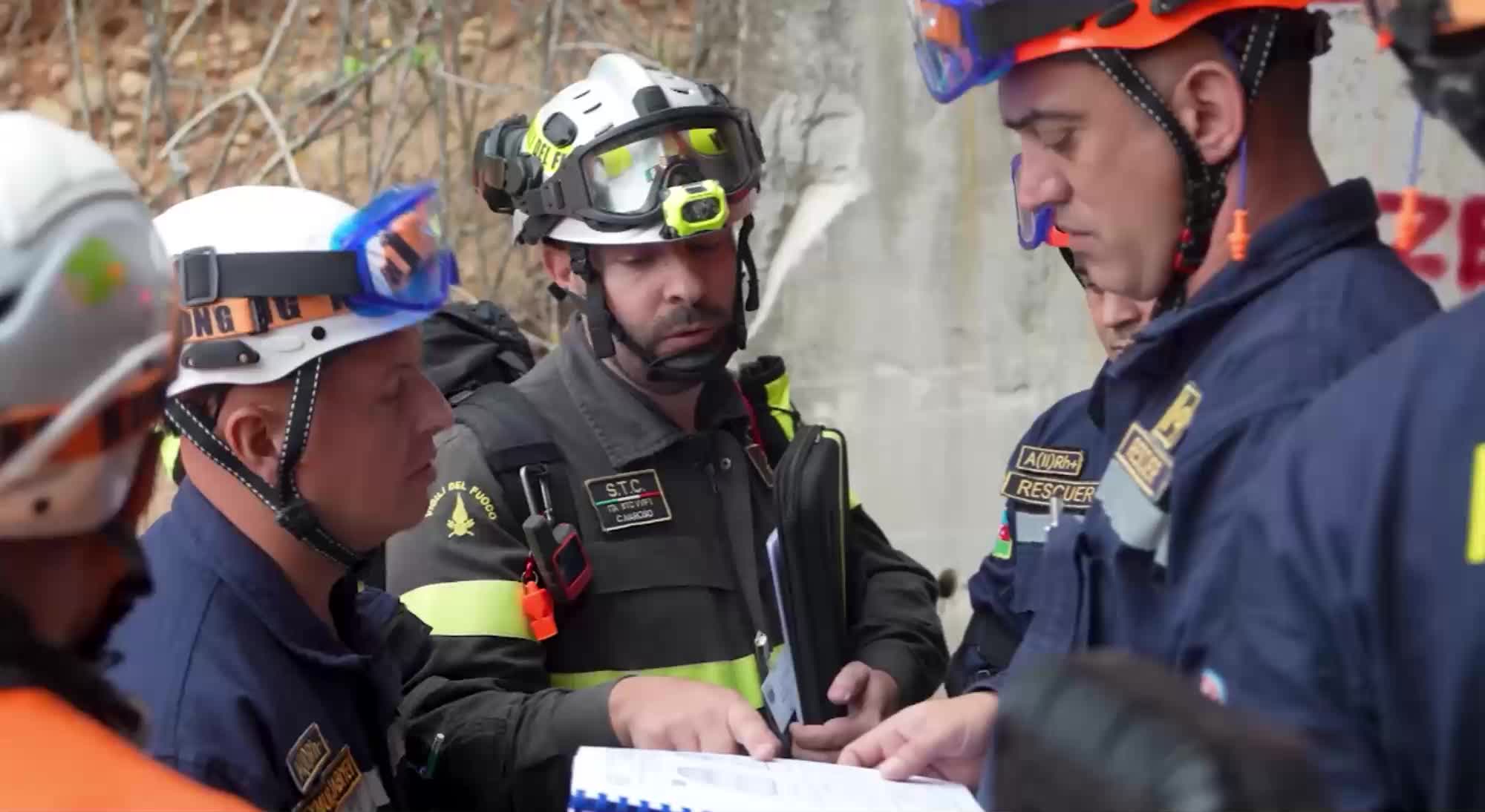
Main video: Emergency responders during Exercise Bulgaria 2025. Credit: Nato
Cover Story
Precision in paradise: the Dominican Republic emerges as Latin America’s medtech hub
The Dominican Republic is emerging as a strategic nearshoring hub for the US, driven by a rapidly expanding medical device manufacturing sector enjoying industrial free zones, tax incentives and international trade agreements. By Bernard Banga.

Agentic AI in medicine supports multitasking across clinical tools, data and workflows to improve decision-making and efficiency. Credit: Volodymyr Horbovyy / Shutterstock
Today’s security threats have fundamentally changed, blurring the line between digital warfare and environmental disaster. From unseen actors targeting critical infrastructure to massive natural events, nations are scrambling to adapt - with the military on standby.
The strategy is clear: resilience starts with the citizen. This is not doomsday rhetoric; it is a pragmatic necessity for a world where the enemy is everywhere and nowhere.
On a state to person level, the UK Government has administered an Emergency Alert system that can emit a loud siren-like sound to all mobile phones in range of a mast. Launched in 2021, motivated by the Covid-19 pandemic, the alert has since been used for flood warnings to a life-threatening emergency test.
Its purpose is to notify the public of a clear call to action when there is severe peril, including a terror attack. This is just one example of how quick reaction alerts can be instrumental in notifying the public of immediate action to be taken for safety and security. This type of alert technology is used worldwide, with similar operations in Australia, Japan, Spain, Ukraine, and many other nations besides the UK.
These alerts act as a frontline of domestic security. This shift, where civil defence is seen as a strategic asset, aligns with Nato’s Article 3, which is the backbone of the agency’s modus operandi towards defence and deterrence. The ability to resist attack now means to also stand up to the shock.
“In order more effectively to achieve the objectives of this Treaty, the Parties, separately and jointly, by means of continuous and effective self-help and mutual aid, will maintain and develop their individual and collective capacity to resist armed attack,” reads the Nato document.
Exercise Bulgaria 2025
As defined in Article 3, national security is no longer solely a military concern, but it requires a holistic framework. Nato has clearly outlined that resilience is not only a collective commitment but a national responsibility.
This is a responsibility that Sweden is committed to and actively demonstrating. The nation is exemplary in the field of civil defence with a dedicated ministry and in 2024 Stockholm allocated Skr 37.5bn ($3.9bn) to the sector highlighting its growing importance. The Nordic nation’s capital sits around 1,230km from Moscow. However, with allied countries, Norway and Finland, sharing extensive borders with Russia in the north and east, its commitment to security and resilience is a reality based on threat.
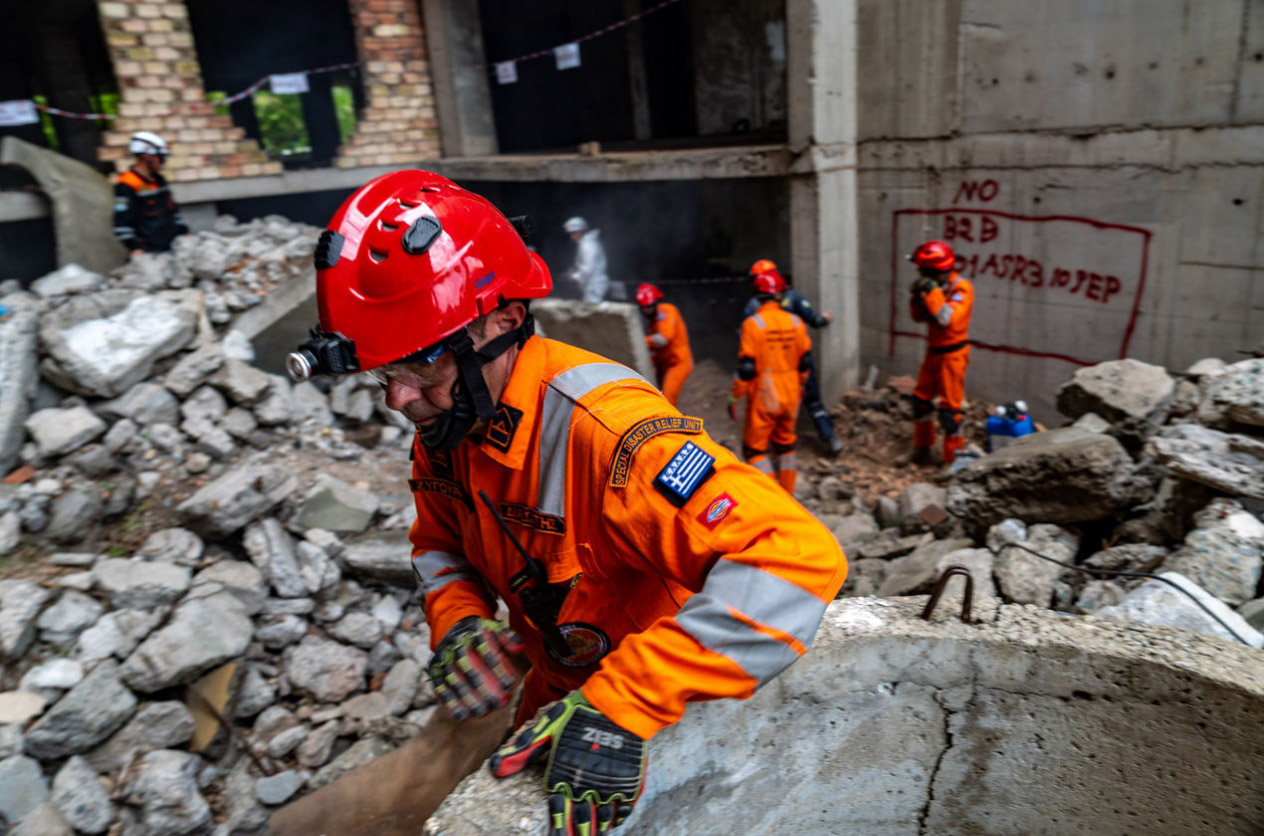
Countries are consolidating their civil defence capabilities. Credit: Nato
Therefore, it is perhaps unsurprising that on 3-5 November, Sweden hosted a Nato conference on civil defence dedicated to allied and civilian leadership. In a Swedish government release on the conference, Minister for Civil Defence Carl-Oskar Bohlin, underscored the importance of cohesive societal mobilisation for military readiness.
“Nato’s civilian planning seamlessly overlaps with the ongoing rearmament of Sweden’s total defence. This involves the whole of society participating and contributing to defence efforts in order to protect the country and the Alliance,” Bohlin said.
Civil defence exercises orchestrated by Nato involving multiple civil and defence actors are not a new thing. However, the scale and size of these activities reached new heights this year when Exercise Bulgaria 2025 took place, from 7-12 September in northwest Bulgaria.

Nato’s civilian planning… overlaps with the ongoing rearmament of Sweden’s total defence.
Carl-Oskar Bohlin, Swedish Minister for Civil Defence

Bhavik Patel, president, IQVIA Commercial Solutions
The large-scale exercise consisted of 1,000 military and civil responders and utilised 100 emergency vehicles. Overall, the participants included 28 Nato allies, 18 partner countries, as well as 14 civil and military organisations.
Exercise Bulgaria tested civil-military interoperability in a disaster scenario, apparently achieving two significant goals: building cohesion for real-life emergencies and strengthening security within a unified framework.
Despite the complexities of languages and expertise, combined military-civilian forces, including first responders, soldiers, and scientists, worked together seamlessly, participants reported. They focused on sharpening their skills and cooperation to effectively respond to future incidents, such as a future natural disaster, cyber-attack, or a terrorist act.
Radmila Sekerinska, the deputy secretary general of Nato, commented on the day of the exercise in a US Army release: “Some of you may be surprised to see soldiers, firefighters, medics, but also scientists, coders, engineers and innovators coming together under Nato’s flag like this to prepare, not for war, but for disasters,” she said.
“Not to fight, but equally to save lives. Keeping our citizens safe has been the primary mission of our alliance for more than 70 years now.”
Maintaining readiness
As reflected in Article 3, national security is no longer solely a military concern. Instead, it requires an integrated framework, due to the merging of multi-layered, multi-domain threats.
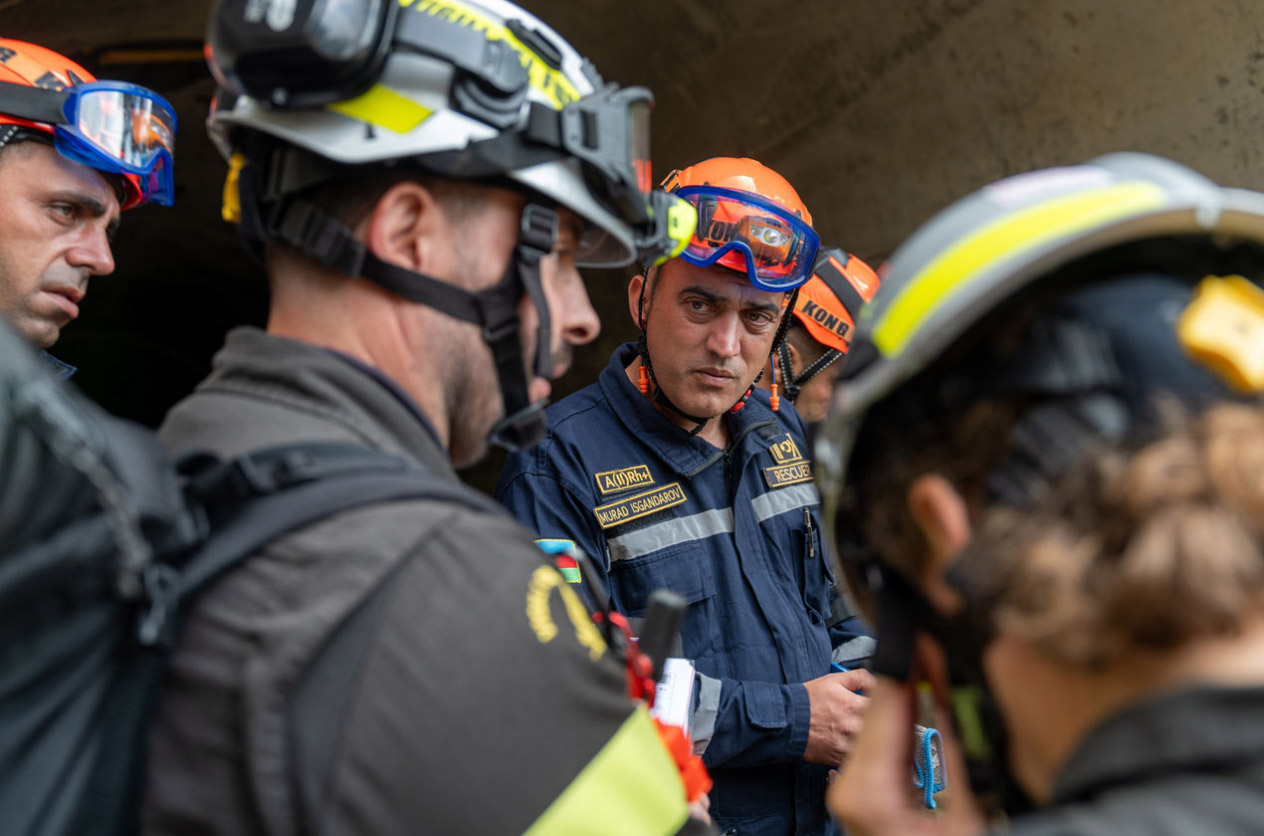
Nato is seeking to increase civil defence readiness. Credit: Nato
Nevertheless, the US Army Col. Michael Firmin, director of the Education, Training and Evaluation Department at the Nato Joint Chemical, Biological and Radiological Defence Center of Excellence, also commented at the time: “Exercises like this are an important component of maintaining national resilience, expanding each nation's ability to respond to requests from other nations within the alliance and to Nato partner nations.”
Exercises like this are an important component of maintaining national resilience
US Army Col. Michael Firmin
Nato’s allied action moves the theoretical into practical collaborative frameworks that enhance resilience and collaboration through interoperability. Combining civil and military actors in large-scale exercises enhances the alliance’s quick reaction capability within a whole-of-society framework.
With Sweden’s dedicated ministry and increased civil-defence funding it is a leading authority on how others can operate resilience in the face of threat, emphasised further by contested, volatile borders and connections across infrastructure and the digital domain.
Allied preparedness is key to addressing the non-traditional threats posed by cyber and environmental warfare. By building the capacity to withstand a myriad of attacks, these collaborative efforts are successfully establishing a resilient framework that ensures the security and stability of citizens - when everyone plays their part.

Caption. Credit:
Total annual production
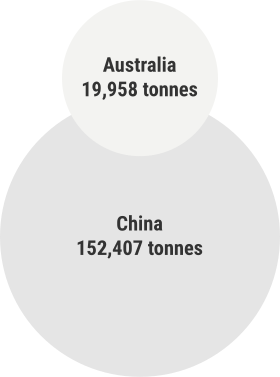
Australia could be one of the main beneficiaries of this dramatic increase in demand, where private companies and local governments alike are eager to expand the country’s nascent rare earths production. In 2021, Australia produced the fourth-most rare earths in the world. It’s total annual production of 19,958 tonnes remains significantly less than the mammoth 152,407 tonnes produced by China, but a dramatic improvement over the 1,995 tonnes produced domestically in 2011.
The dominance of China in the rare earths space has also encouraged other countries, notably the US, to look further afield for rare earth deposits to diversify their supply of the increasingly vital minerals. With the US eager to ringfence rare earth production within its allies as part of the Inflation Reduction Act, including potentially allowing the Department of Defense to invest in Australian rare earths, there could be an unexpected windfall for Australian rare earths producers.
