Cover Story
Shouldering the burden
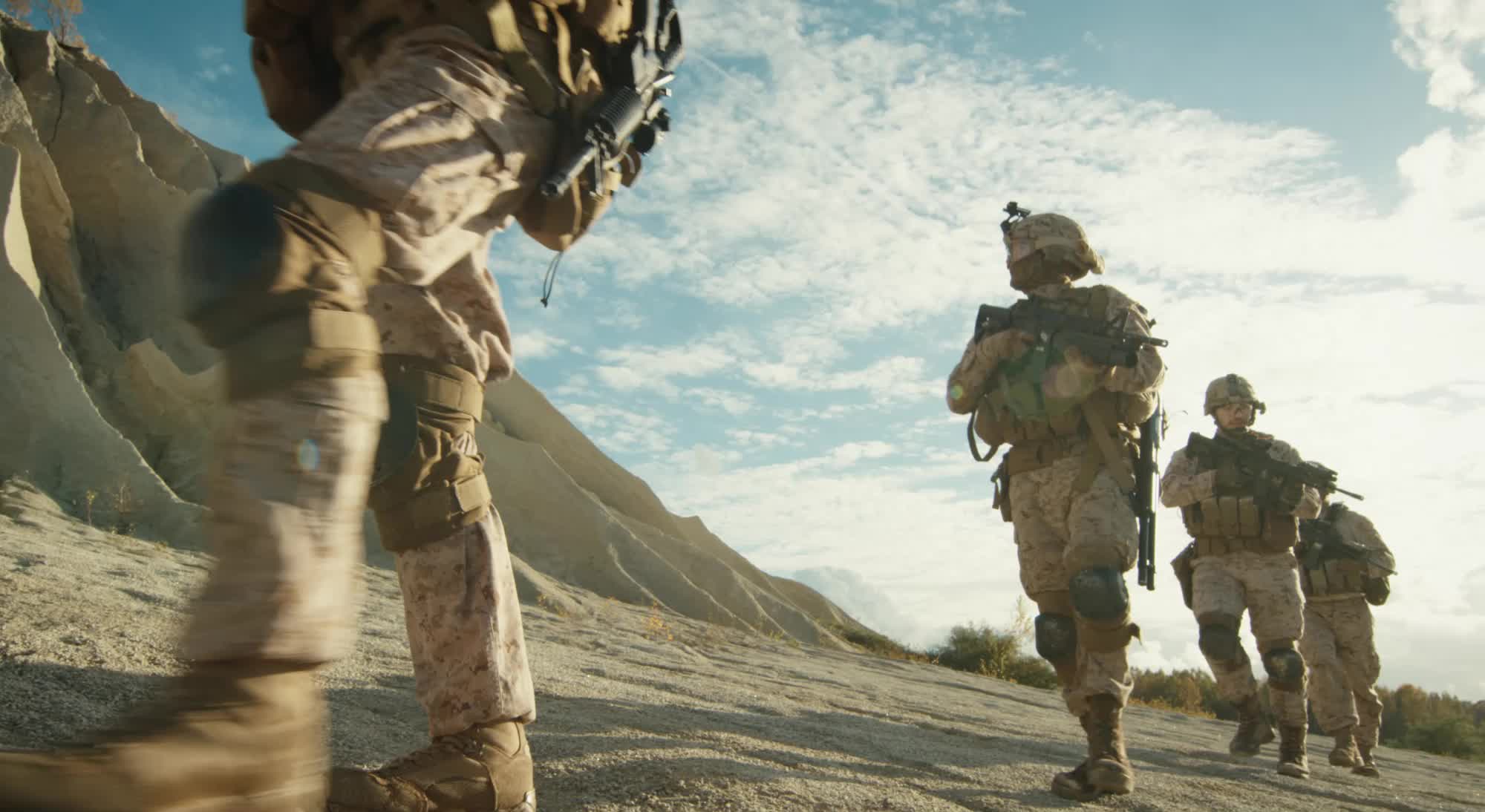
The US Army is assessing its options as soldiers are increasingly weighed down with equipment. Jen Kirby reports.
Main video supplied by gorodenkoff/Creatas Video+ / Getty Images Plus via Getty Images
Cover Story
Eye in the sky
As the first line of threat detection, airborne early warning is a must-have capability for the world’s militaries. Gordon Arthur reports.
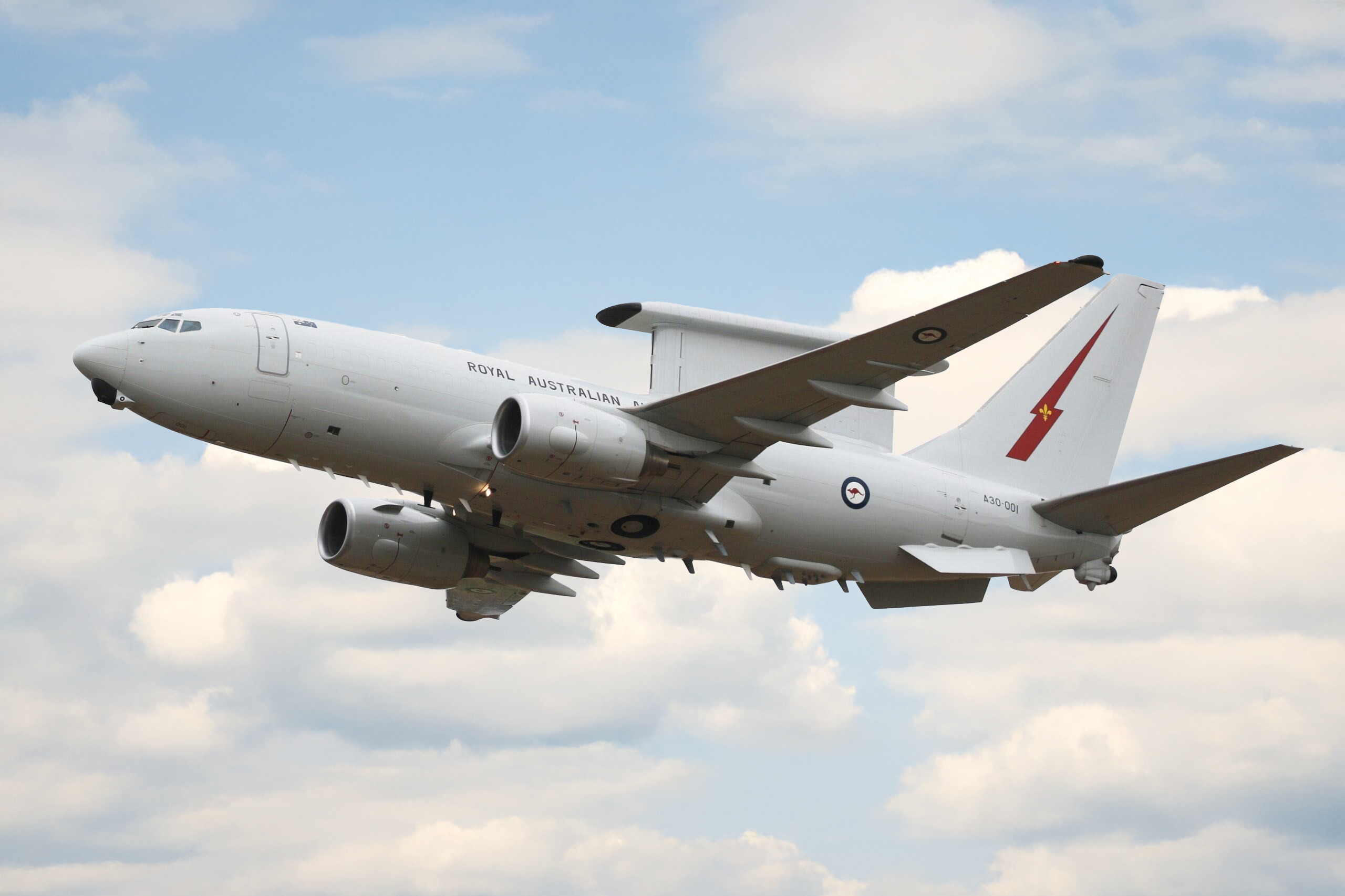
Australia was the first country to adopt the E-7A Wedgetail. Credit: Gordon Arthur
"Ounces equal pounds, and pounds equal pain,” as the saying goes in the US Army, as shorthand for the experience of shouldering the fighting load, the mission-essential items a soldier wears and carries. It is also a caution against adding too much more to that burden.
Because mission-essential items add up quickly: there is body armour and ammunition. Night-vision goggles and ready-to-eat meals (MREs). Water and batteries and maybe a spare pair of socks. According to the July 2025 Foot Marches, Army Training Publication 3.21-18, a soldier’s fighting load averages between 60 and 80 pounds (27-36kg), ideally about 30 percent of a soldier’s body weight.
That is just the target. Exactly what a soldier carries will depend on the type of mission and the soldier’s role within it. All of those factors influence the load, which can get heavier, quickly. What the Army defines as the “approach march load” – the fighting load plus essential items, including a rucksack or assault pack – could average 80 to 100 pounds, or about 45 percent of a bodyweight. An emergency approach load may be required for certain missions – if, say, terrain is impassable by vehicles. That can hit 125 pounds.
More is more, and increased load can wear soldiers out or slow them down. The physical toll can lead to injuries. “The ability of soldiers to march and fight is directly influenced by their combat loads,” Foot Marches says.
The US Army wants to reduce soldier load, most recently embracing a ‘squad as system’ approach, an effort to rebalance and redistribute weight by equipping the entire unit based on its capabilities and needs.
“We’ve been focusing our efforts on the individual soldier for so long, we’ve burdened them with redundant capabilities developed in a stovepipe and added extra weight,” Brig. Gen. Phil Kiniery, Commandant of the US Army Infantry School and the director of the Soldier Lethality Cross Functional Team at Fort Benning, Georgia said at the Association of the US Army’s Global Force Symposium in Huntsville, Alabama in March.
Kiniery said soldiers can be equipped with more than 80 items, some with redundant power sources or cables. Kiniery indicated wanted a target load of about 55 pounds, or about 30 percent of a soldier’s body weight.
“We must reduce weight and increase combat power,” Kiniery said, according to Defense News. “We must reduce the cognitive load and increase combat power. We must increase efficiency and increase combat power.”
The objective is clear. The ‘how’ is less so, because of tradeoffs among firepower, safety, durability, and mobility. The more gear soldiers have, the more prepared they might be for any mission. Extra ammo might provide more firepower. Radio and comms equipment will ensure soldiers can stay in contact with command. Extra shirts and a poncho might mean soldiers can better withstand bad weather.
But if all those elements are mission critical, then sacrificing weight risks sacrificing capabilities – a tradeoff no leader is eager to make.
“It's not a question of the solutions not being visible. The solutions are magical,” said Terry Baldwin, retired lieutenant colonel in the US Army, who served from 1975 to 2011 in infantry and special forces assignments. “There's no way to change 100 pounds to anything less than 100 pounds.”
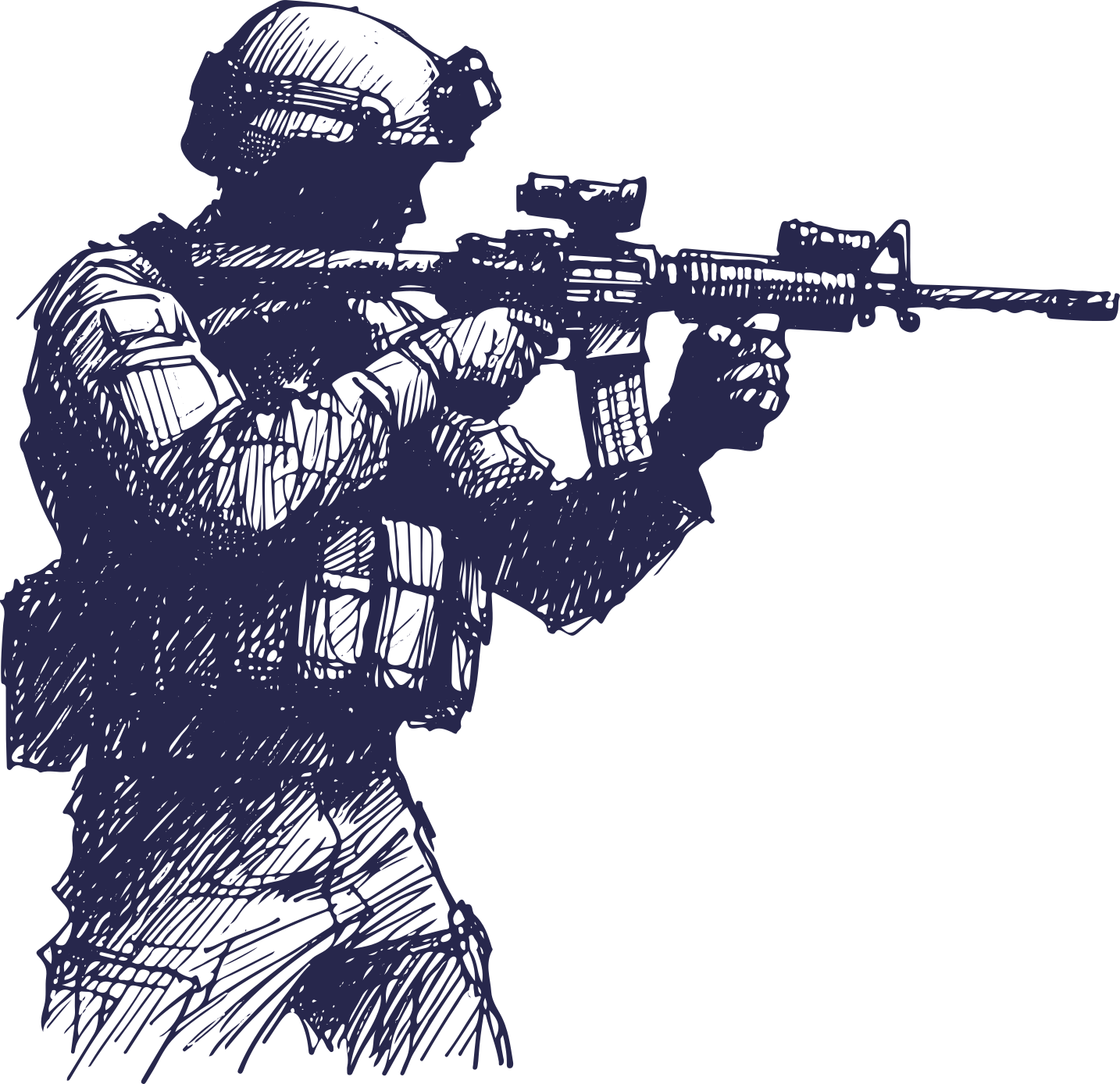
The Advanced Army Combat Helmet (ACH) is intended to provide ballistic and impact protection, stability, and comfort without degrading the soldier's field of vision and hearing. Can include monocular night vision device. Weight: ~ 6lb
The standard US Army personal rifle, the M4 is a gas-operated, 5.56x45mm Nato carbine used by the US and other international forces. A derivative of the M16 series, the M4 is known for its versatility, but is about to be replaced by the heavier M7 from Sig Sauer. Weight: 6.4lb (without magazine)
Ammunition and other supplies include several magazines of 5.56 rounds for the M4 (to be replaced, above), M67 fragmentary grenades (x2), bayonet, first aid kit, and canteens. Weight: ~ 14lb
The US Army uses advanced, modular body armour systems like the Modular Scalable Vest (MSV) as part of its Soldier Protection System (SPS), which includes front, back, and side ballistic plates, and groin protection, depending on fitting. Weight: ~22lb
A US Army’s full operational uniform includes OCP, socks, belt, cap, t-shirt, and the Tactical Assault Panel chest rig required to carry essential equipment. Weight: 14lb
A US soldier has to carry multiple pieces of equipment. Credit: US Army
1
2
3
4
5
- The Advanced Army Combat Helmet (ACH) is intended to provide ballistic and impact protection, stability, and comfort without degrading the soldier's field of vision and hearing. Can include monocular night vision device. Weight: ~ 6lb
- The standard US Army personal rifle, the M4 is a gas-operated, 5.56x45mm Nato carbine used by the US and other international forces. A derivative of the M16 series, the M4 is known for its versatility, but is about to be replaced by the heavier M7 from Sig Sauer. Weight: 6.4lb (without magazine)
- Ammunition and other supplies include several magazines of 5.56 rounds for the M4 (to be replaced, above), M67 fragmentary grenades (x2), bayonet, first aid kit, and canteens. Weight: ~ 14lb
- The US Army uses advanced, modular body armour systems like the Modular Scalable Vest (MSV) as part of its Soldier Protection System (SPS), which includes front, back, and side ballistic plates, and groin protection, depending on fitting. Weight: ~22lb
- A US Army’s full operational uniform includes OCP, socks, belt, cap, t-shirt, and the Tactical Assault Panel chest rig required to carry essential equipment. Weight: 14lb
The load problem
Overloaded forces are a perpetual problem for dismounted soldiers – not just in the US Army. “The Soldier’s Heavy Load,” a 2018 paper from the Center for New American Security noted, on average, soldiers have carried an average of 55 to 60 pounds – over the last 3,000 years.
According to analysis, the increase in weight has been most apparent in the last 200 years: British soldiers fighting in the American Revolution carried 80 pounds, as did some US troops landing in Normandy during World War II. Even Kiniery said the US Army has been talking about reducing soldier load “for generations.”
When approached by Global Defence Technology, US Army Fort Benning and The Maneuver Center of Excellence declined to comment for this article.
The “squad as system” approach attempts to better integrate gear and gadgets across an entire unit rather than outfitting each individual soldier. But much depends on a soldier’s specialty role – a mortar man will be equipped differently than a medic – and other items cannot easily be redistributed across a squad. Everyone will need body armour and batteries.
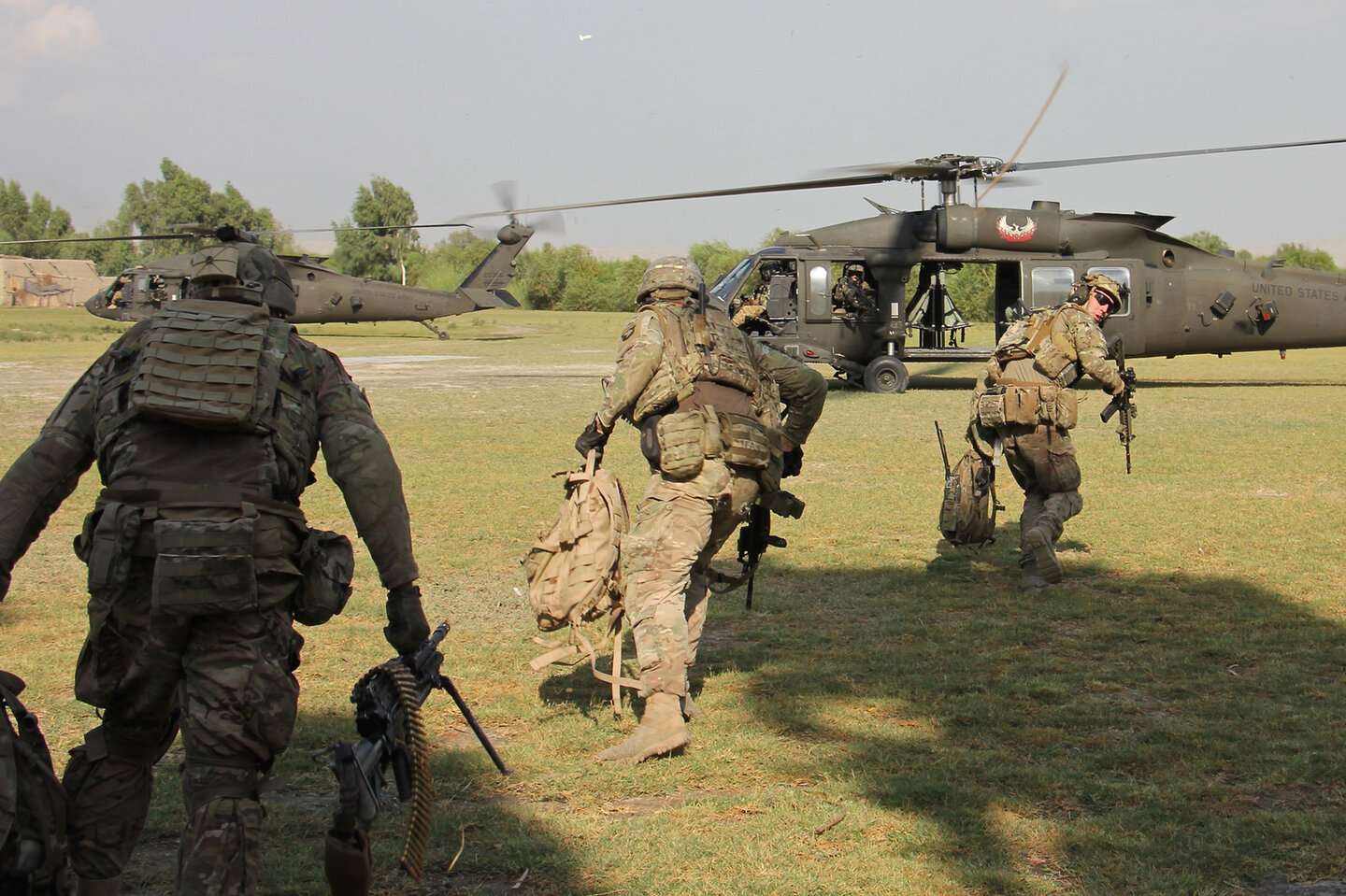
A US soldier has to carry multiple pieces of equipment. Credit: US Army
US Army leaders have identified “stovepiping” as adding a key challenge, as items in a soldier’s load are developed or acquired independently. The performance and utility of each piece might be unmatched, but when added together, it creates redundancies and extra weight.
Correcting those also requires tradeoffs. Scott Madore, a defense acquisitions consultant and retired US Army colonel who was a project manager for soldier lethality, pointed to body armour. According to Foot Marches, a medium-sized outer tactical vest with all components (soft armour panel inserts, four ballistic plate inserts …collar, and groin protectors) weighs 30 pounds.
A lighter option might be available, but the alternative might not be as protective, which might not be worth the tradeoff. Especially since armour is armour. Light is relative.
“You're not working in pounds,” Madore said. “There's no revolutionary technology that's going to pop out of the woodwork that turns a five-pound plate into a two-pound plate. That just doesn’t exist.”
“Being able to offset those few ounces here and there is important too, but that costs money,” Madore added. “Resourcing is always a tough thing to get after.”
Those investments might still be worth it. But many with infantry experience pointed out that even when the US Army introduces lighter weight gear or removes items, there’s a tendency among leaders to see that as available space, which they can then fill.
“Where the Army makes a soldier's load five pounds lighter because it uses new materials or combines batteries, there's always the temptation for the platoon leader, platoon sergeant, to say, ‘well, that's great. Now we can carry five more pounds of ammo,’” said Tyler Hacker, fellow at the Center for Strategic and Budgetary Assessments, who also served as a US Army field artillery officer.
As Baldwin said, soldier load is framed as a gear issue, but it is a human concern. Leaders determine a load based on expected combat mission, and that requires them to distinguish between what soldiers can carry and what they actually need to carry.
Soldiers themselves can also overprepare. “If they're going into a situation of possible combat, if soldiers are afraid, they will want more of the things they think protect them. They're going to want more ammo,” Baldwin said. A soldier might grab an extra magazine or warm-weather clothes under the idea of being safe, rather than sorry. This highlights the challenge of managing and reducing weight across a squad. Or, as Madore remembered it from an infantry course: “100 pounds of lightweight stuff is still 100 pounds of stuff.”
The promise – and peril – of new tech
The US Army is adapting to future threats after decades of fighting the global war on terror. In November, it stood up the Transformation and Training Command, or T2Comm, which combined Army Futures and the Training and Doctrine Command (TRADOC). This command will experiment with new platforms and systems that can help “Army forces out-think and out-manoeuvre adversaries.”
Soldier load is likely to factor into this. In addition to approaches, like squad as a system, the US Army is exploring technologies to reduce weight and eliminate redundancies. It is pursuing autonomous robots that could deliver supplies and payload through its Small Multipurpose Equipment Transport (S-MET) programme. It is trying to find more efficient, lighter gear for everything from second-generation, laser target locators to common batteries.
Batteries, in particular, are essential, and they need more power as battle tech becomes more advanced. Take the Conformable Wearable Battery (CWB), a lighter weight and ergonomic battery pack that can act as a soldier’s central power source.
Amprius Technologies, a California-based company, is among the US Army’s partners on the CWB. Its CTO Dr. Ionel Stefan said that when they first started working, the goal was to keep the same energy but reduce the battery weight. “We developed a version for that,” Stefan said. “Next, as the power demand for soldiers increases, it’s ‘now, go back to the initial weight and increase the energy.’”
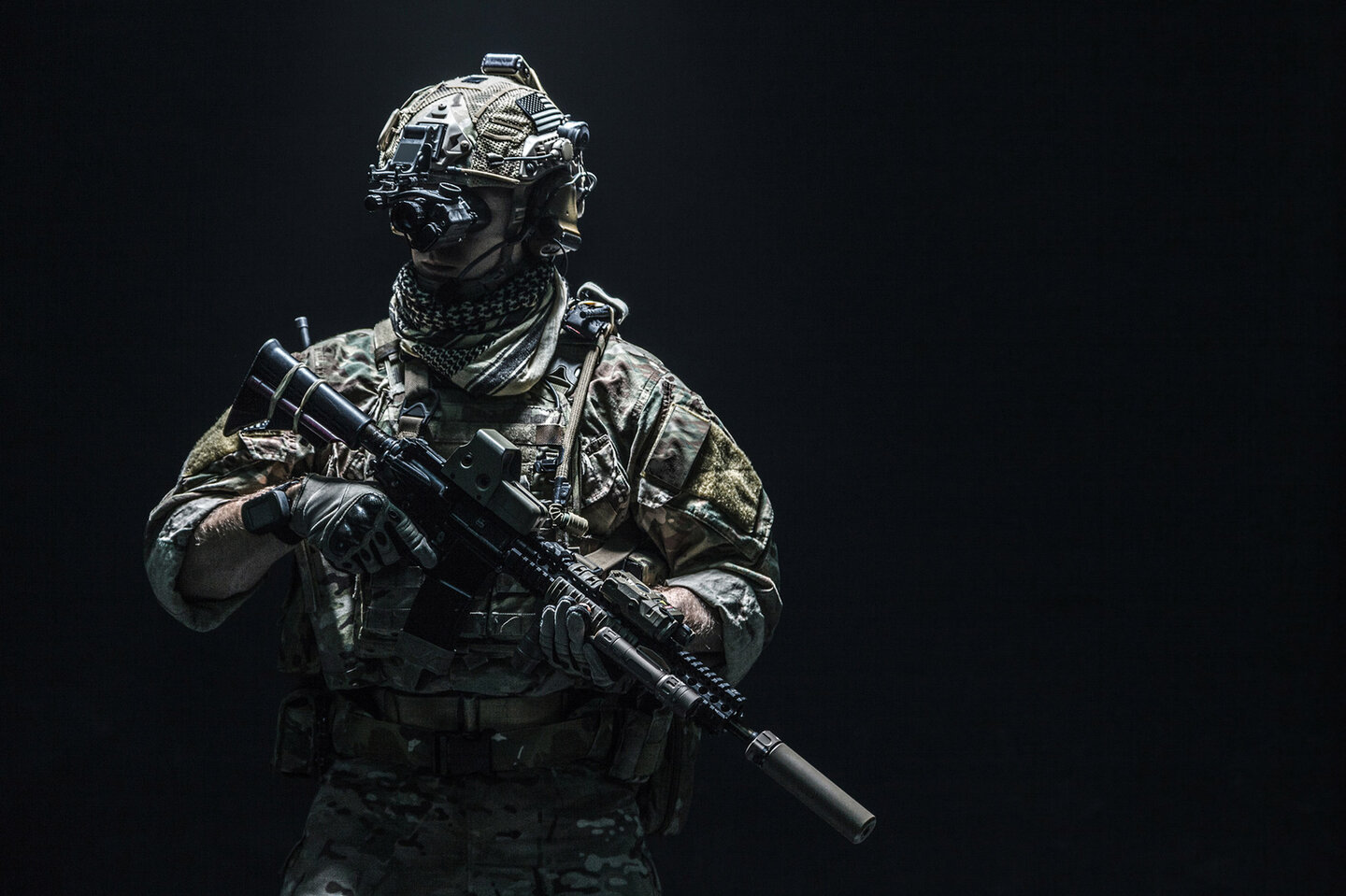
New technology may not be the answer. Credit: Getmilitaryphotos / Shutterstock.com
These innovations didn’t stop soldiers from still taking two batteries, Stefan said they observed. Better the extra weight and a just-in-case backup than no battery at all.
As capabilities develop, so will what a dismounted soldier carries or wears. Secretary of Defense Pete Hegseth wants every US Army squad to be equipped with small drones, but someone will need to bring that into combat. The service is replacing the M41 with a new M7 rifle. The US Army says the M7 improves accuracy, but it weighs more than its predecessor. Soldiers complained. Its maker, Sig Sauer, trimmed the M7’s weight by ten percent, one whole pound.
“Warfare is becoming more complex at the individual level, and if you're old school like me that says there will always be a need for soldiers on the ground to some degree,” Madore said.
“It translates into more defensive systems, more offensive systems – and some level of soldier that's got to carry all that stuff.”

The E-7 platform is less expensive to operate compared to platforms based on small business jets.
Boeing spokesperson
Country | 2024 | 2025 | 2026 | 2027 | 2028 | 2029 | 2030 | 2031 | 2032 | 2033 | 2034 |
Australia | 3,582 | 3,586 | 3,590 | 3,594 | 3,613 | 3,622 | 6,183 | 6,207 | 6,216 | 6,239 | 6,380 |
China | 2,607 | 2,802 | 3,040 | 3,081 | 3,174 | 3,291 | 3,396 | 3,603 | 3,664 | 3,710 | 4,316 |
India | 2,320 | 2,533 | 3,675 | 2,457 | 2,526 | 2,639 | 2,741 | 2,873 | 2,958 | 3,350 | 3,560 |
Russia | 2,701 | 2,893 | 2,973 | 3,334 | 3,458 | 3,106 | 3,235 | 3,405 | 2,958 | 3,487 | 3,942 |
US | 16,957 | 18,037 | 18,522 | 18,607 | 18,137 | 18,898 | 18,898 | 19,643 | 19,876 | 22,592 | 23,730 |
Lisa Sheridan, an International Field Services and Training Systems programme manager at Boeing Defence Australia, said: “Ordinarily, when a C-17 is away from a main operating base, operators don’t have access to Boeing specialist maintenance crews, grounding the aircraft for days longer than required.
“ATOM can operate in areas of limited or poor network coverage and could significantly reduce aircraft downtime by quickly and easily connecting operators with Boeing experts anywhere in the world, who can safely guide them through complex maintenance tasks.”
Boeing also uses AR devices in-house to cut costs and improve plane construction times, with engineers at Boeing Research & Technology using HoloLens headsets to build aircraft more quickly.
The headsets allow workers to avoid adverse effects like motion sickness during plane construct, enabling a Boeing factory to produce a new aircraft every 16 hours.
Elsewhere, the US Marine Corps is using AR devices to modernise its aircraft maintenance duties, including to spot wear and tear from jets’ combat landings on aircraft carriers. The landings can cause fatigue in aircraft parts over its lifetime, particularly if the part is used beyond the designers’ original design life.

Caption. Credit:
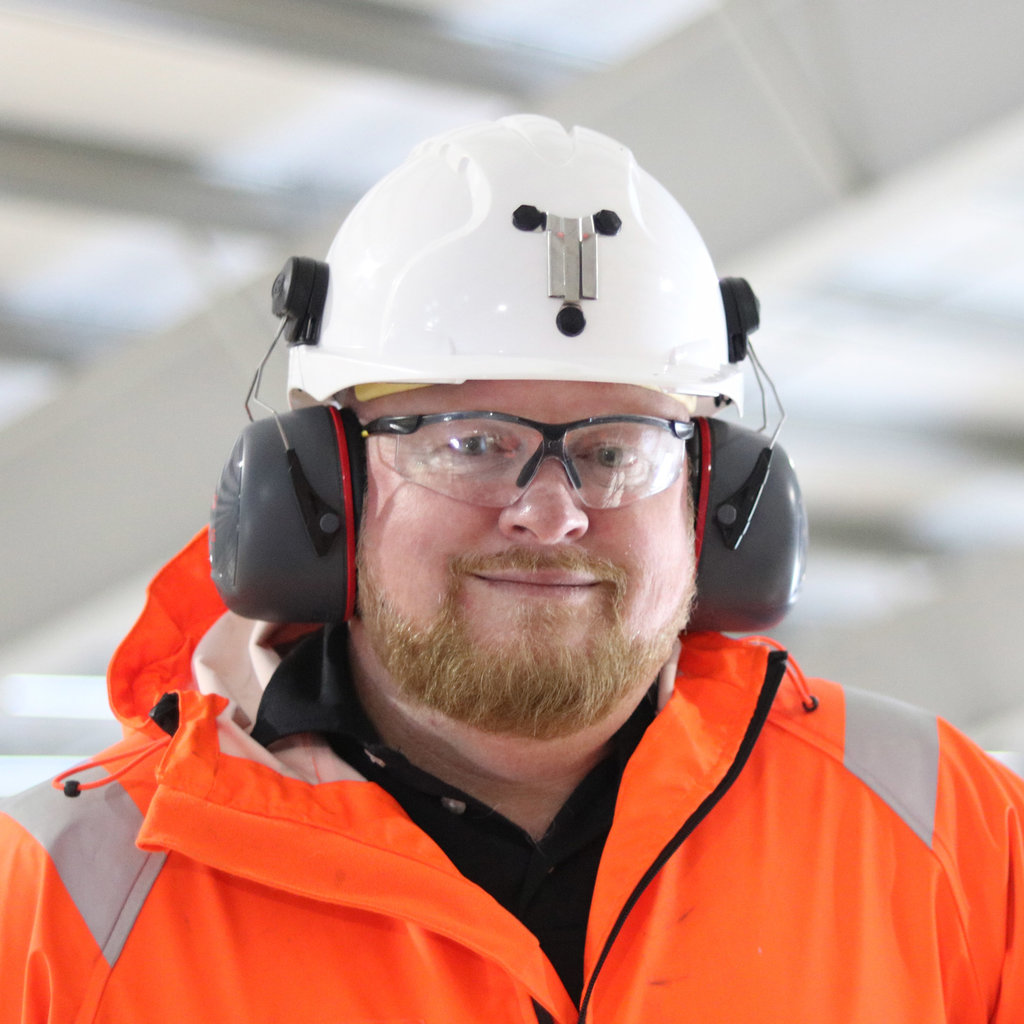
Phillip Day. Credit: Scotgold Resources
Total annual production
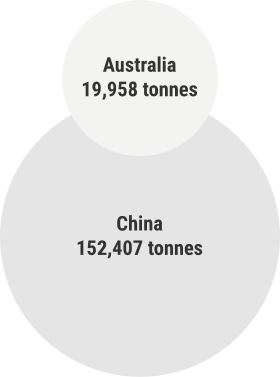
Australia could be one of the main beneficiaries of this dramatic increase in demand, where private companies and local governments alike are eager to expand the country’s nascent rare earths production. In 2021, Australia produced the fourth-most rare earths in the world. It’s total annual production of 19,958 tonnes remains significantly less than the mammoth 152,407 tonnes produced by China, but a dramatic improvement over the 1,995 tonnes produced domestically in 2011.
The dominance of China in the rare earths space has also encouraged other countries, notably the US, to look further afield for rare earth deposits to diversify their supply of the increasingly vital minerals. With the US eager to ringfence rare earth production within its allies as part of the Inflation Reduction Act, including potentially allowing the Department of Defense to invest in Australian rare earths, there could be an unexpected windfall for Australian rare earths producers.
