Feature
Strategic metals: supply and demand
Platinum-group metals are used across the military aerospace sector. Alejandro Gonzalez reports.
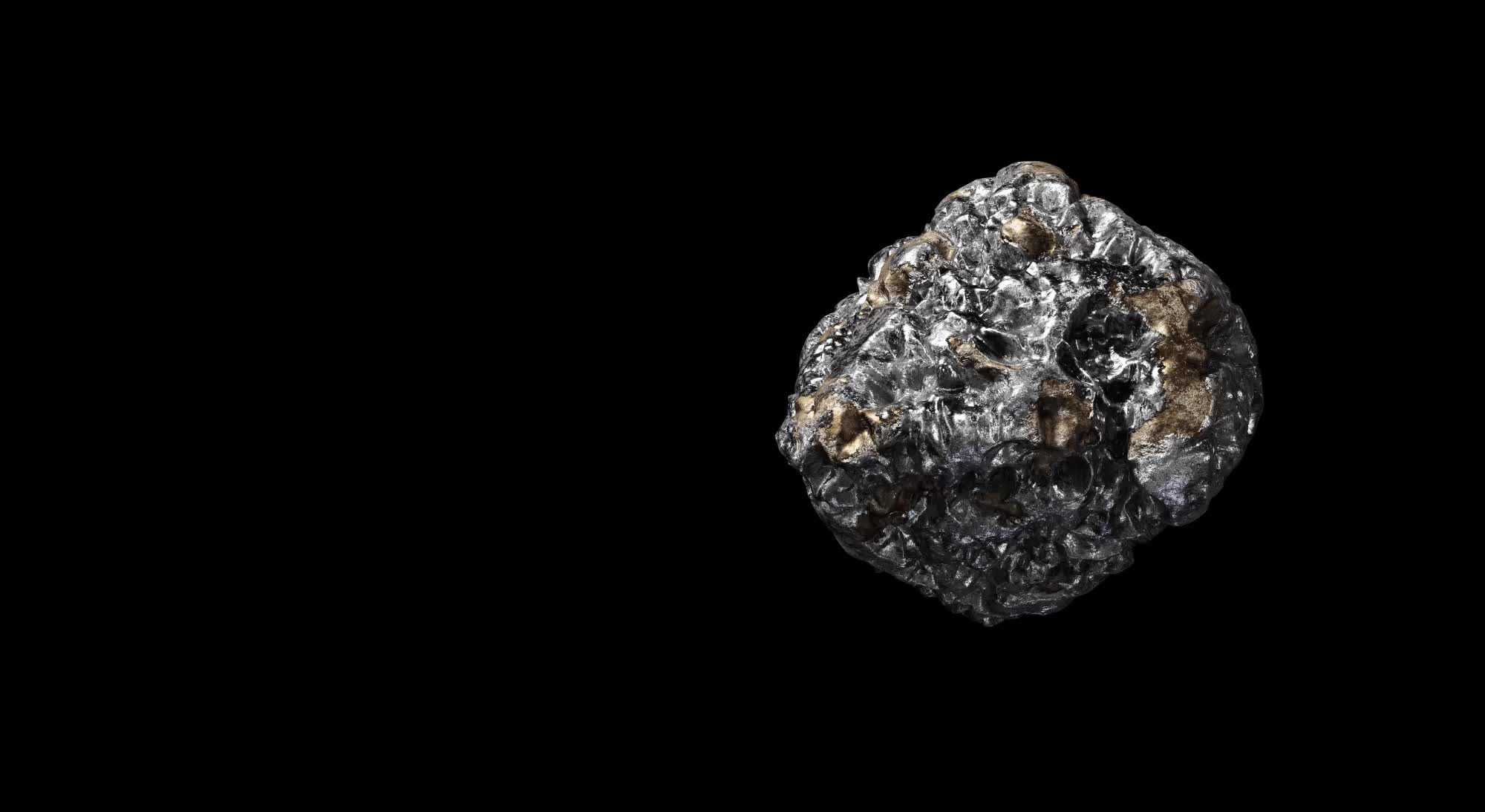
Main video: The defence sector, particularly aerospace, relies on metals like Platinum. Credit: Saachka Pro/Shutterstock.com
Powered by

For defence manufacturers, the importance of platinum-group metals (PGMs) is less about the quantity consumed than the consequences of not having them.
PGMs are used in a range of military and aerospace applications, from aircraft engines and radar systems to drones, electronics and portable power.
PGMs comprise six closely related metals – platinum, palladium, rhodium, ruthenium, iridium, and osmium – that occur in the same ore bodies and are mined together. They are among the rarest metals in the Earth’s crust and are valued for their high melting points, corrosion resistance and catalytic, electrical and thermal properties.
Because few alternative materials can withstand these extreme operating environments, PGMs remain indispensable to military hardware despite the small quantities required for defence applications.
Edward Sterck, director of research at the World Platinum Investment Council (WPIC), said PGMs’ use in defence is one reason they have attracted attention in critical-minerals policies. The US, the EU and the UK all identify PGMs or individual metals in the group as critical or strategically important, although their lists and classifications differ.
“The actual total defence demand in ounces or tonnes is not that substantial,” Sterck told Global Defence Technology in an exclusive interview. “But the problem is the metals are essential.”
One example is the use of platinum-aluminide coatings on turbine blades and other components in fighter-jet engines. The coating protects components from the extreme temperatures and aggressive environment inside the engine.
Sterck estimates that around 40-60g of platinum can be used per engine. The coating is then stripped and reapplied during hot-section overhauls.
“It’s not a massive amount of metal,” he said. “But you need it for those fighter jets to fly.”
Other applications include direct methanol fuel cells for soldier-portable field power packs, which can use high loadings of platinum and iridium, as well as platinum-based components in satellite propulsion systems (which are either solid platinum or platinum-coated rhenium).
Ruthenium has applications in drones, while rhodium, platinum and palladium are used in catalytic converters for military vehicles operating on public roads. Osmium has a more specialised role in magnetrons used in radar systems, Sterck said.
The relatively small volume of metal involved in individual applications does not necessarily reduce the supply chain risk.
PGMs and individual metals within the group feature in critical minerals frameworks for the US, the EU and the UK, while Nato has identified platinum specifically among its defence critical raw materials. China’s 2026–2030 Five-Year Plan also calls for stronger supply chain security, greater use of strategic mineral resources and increased strategic reserves.
Sterck said that the significance of defence would therefore extend beyond the additional ounces of demand it generates.
“I think the bigger picture is probably more the fact that these are critical minerals,” he said. “They are essential to military applications.”
Sterck said he expects geopolitical fragmentation in an increasingly multipolar world to encourage critical mineral stockpiling.
A concentrated upstream supply
The supply challenge begins at the mine. PGM production is heavily concentrated geographically, with South Africa accounting for about 70% of global mined platinum production in 2024 and Zimbabwe accounting for a further 10.3%. Russia is particularly important for palladium.
Supply can also be affected by the economics of other metals because some PGMs are produced alongside nickel and copper. Recycling provides an important secondary source of platinum, palladium and rhodium, while bringing new greenfield mines into production can take up to 10 years.
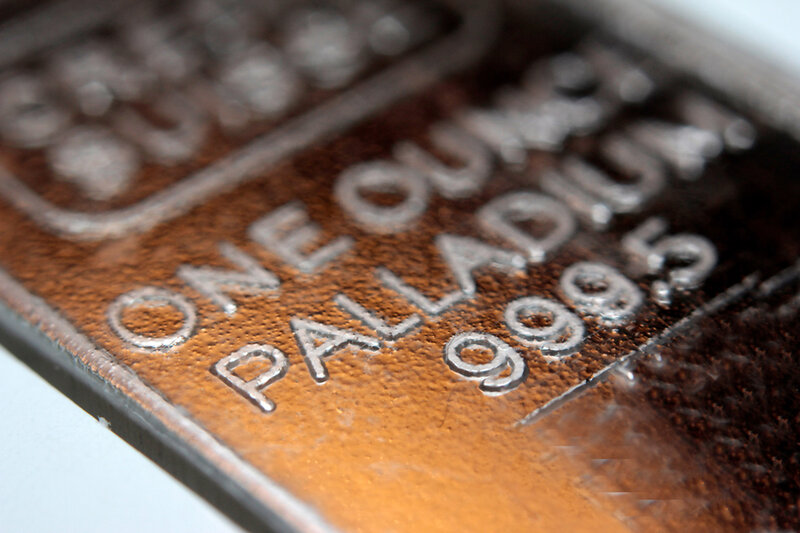
Russia is a key supplier of palladium. Credit: corlaffra/Shutterstock.com
The supply chain question comes as new applications broaden demand for some PGMs. WPIC’s Q2 2026 Platinum Quarterly, released on 9 September, forecasts industrial platinum demand to rise 5% in 2026 to 2.385 million ounces, partly due to AI applications. E-glass demand is forecast to increase 23% and electrical demand 19%.
The AI connection is largely upstream of data centres. Platinum-rhodium equipment is used to manufacture glass fibre for printed circuit boards, while PGMs also have applications in electronics, semiconductors and data storage. Sterck said platinum, ruthenium, iridium and, to a lesser extent, palladium are involved in AI infrastructure.
Defence remains a supply chain issue
Sterck does not expect defence demand to replace automotive demand lost through vehicle electrification. Its importance is instead tied to the strategic nature of the applications and the potential consequences of supply disruption.
“I think it’s too small, really,” he said when asked whether rising defence spending could replace lost automotive PGM demand.
But he added that for metals such as platinum, iridium and ruthenium, where mine supply and recycling are already inadequate to meet current demand, additional defence requirements could “add to the tension in the market”.
“Where zero-emission options aren’t yet practical, efficient combustion engines – running on renewable fuels and hybrids – help customers reduce emissions while the transition progresses.”
Mats Bredborg, segment leader for Volvo CE
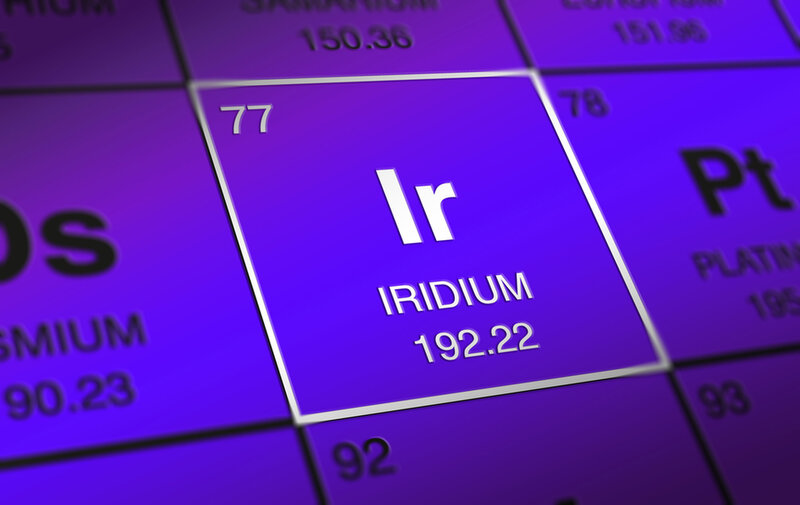
Demand for metals like iridium outstrips supply. Credit: Ployker/Shutterstock.com
For defence manufacturers, the relevant question is consequently not simply how much platinum or other PGMs a weapons system contains. It is whether the specialist materials needed to manufacture, maintain and power that system will remain available when required.
This article was written by Alejandro Gonzalez, Editor of Mining Technology, a GlobalData brand.
For more on platinum and the global mining sector, click here.