
Company Insight
Sponsored by Toll Government and Defence
From global to local
How Toll can assist in strengthening US defense supply chains.
Main image credit: Toll Group
Toll Government and Defence has built a strong presence over more than 30 years, growing from a specialist provider of expeditionary logistics into a trusted global partner for defense support across the Indo-Pacific and beyond.

Jonathan Fonseca, Director of Program Management for Government and Defence at Toll in the USA.
The US Department of Defense has been clear that its central concern in the Indo-Pacific is sustaining forces across contested distances, where the supply lines themselves are under threat. Contested logistics and denied environments are no longer planning assumptions; they are the operating reality. Toll Group has spent decades building the resident in-theatre infrastructure that this reality demands. Jonathan Fonseca, Director of Program Management for Government and Defence at Toll, explains how they are positioned to help strengthen US defense supply chains.
Why does the Indo-Pacific break the assumptions that traditional logistics models are built on?
Jonathan Fonseca (JF): Geography sets the terms. The Indo-Pacific imposes what strategists call the "tyranny of distance". Forces and materiel are generated in one hemisphere and applied in another, across thousands of miles of ocean. A cargo ship takes weeks to cross the Pacific. Every gallon of fuel, every spare part, and every munition has to make that crossing before it matters.
Distance alone would be manageable. What makes the theatre genuinely difficult is that the usable paths through it are few and narrow. Traffic funnels through a handful of straits and a small number of ports, airfields, and fuel points, and every one of those nodes is well known and can be held at risk. An adversary does not need to command the ocean. Disrupting a few chokepoints is enough to degrade the whole network. And the threat is not only physical. The networks and data systems that logistics depend on are targets as well.
A data center under construction at Waltham Cross, England. Credit: Hugo Kirk/Getty Images
The combination of vast distances and concentrated vulnerabilities is what turns logistics into contested logistics. Supply chains built on assumptions of uncontested access, just-in-time delivery, and reach-back to distant hubs do not survive contact with that environment. The Indo-Pacific demands a different model, and it cannot be improvised after a crisis begins.
What does “operating in a contested or denied environment” actually demand of a logistics provider?
JF: Residency, before anything else. Capability that must be surged into theatre after a crisis begins arrives late, arrives exposed, and competes for the same contested lift as everything else. The infrastructure, the workforce, the host-nation relationships, and the regulatory permissions all need to exist before they are needed, and they need to be distributed rather than concentrated in one or two hubs that can be targeted.
This is what we mean by Theatre Supply Chain. It is not conventional freight forwarding with a defense customer attached. It is the discipline of sustaining military operations inside the theatre itself: in-country warehousing and distribution, port and airfield operations, husbanding, fuel and materiel handling, and the ability to keep operating when conditions degrade.
It also demands the depth that most organizations cannot build alone. No military, and no single contractor, owns enough dispersed infrastructure across the region to solve this problem organically. The practical answer is partnership with providers who are already resident, already operating commercially at scale, and already integrated into the ports, airports, and trade lanes the mission depends on. That is the gap Toll exists to fill.
How is Toll positioned against that demand today?
JF: We are already there, and we have been for decades.
Toll Group operates one of the largest logistics networks in the Indo-Pacific, drawing on a global footprint where Toll employs around 14,000 people across 310+ sites in more than 30 countries. It has a huge presence with massive strength in supply chains and logistics globally that serve other industries such as retail, automotive, healthcare, resources and industrials.
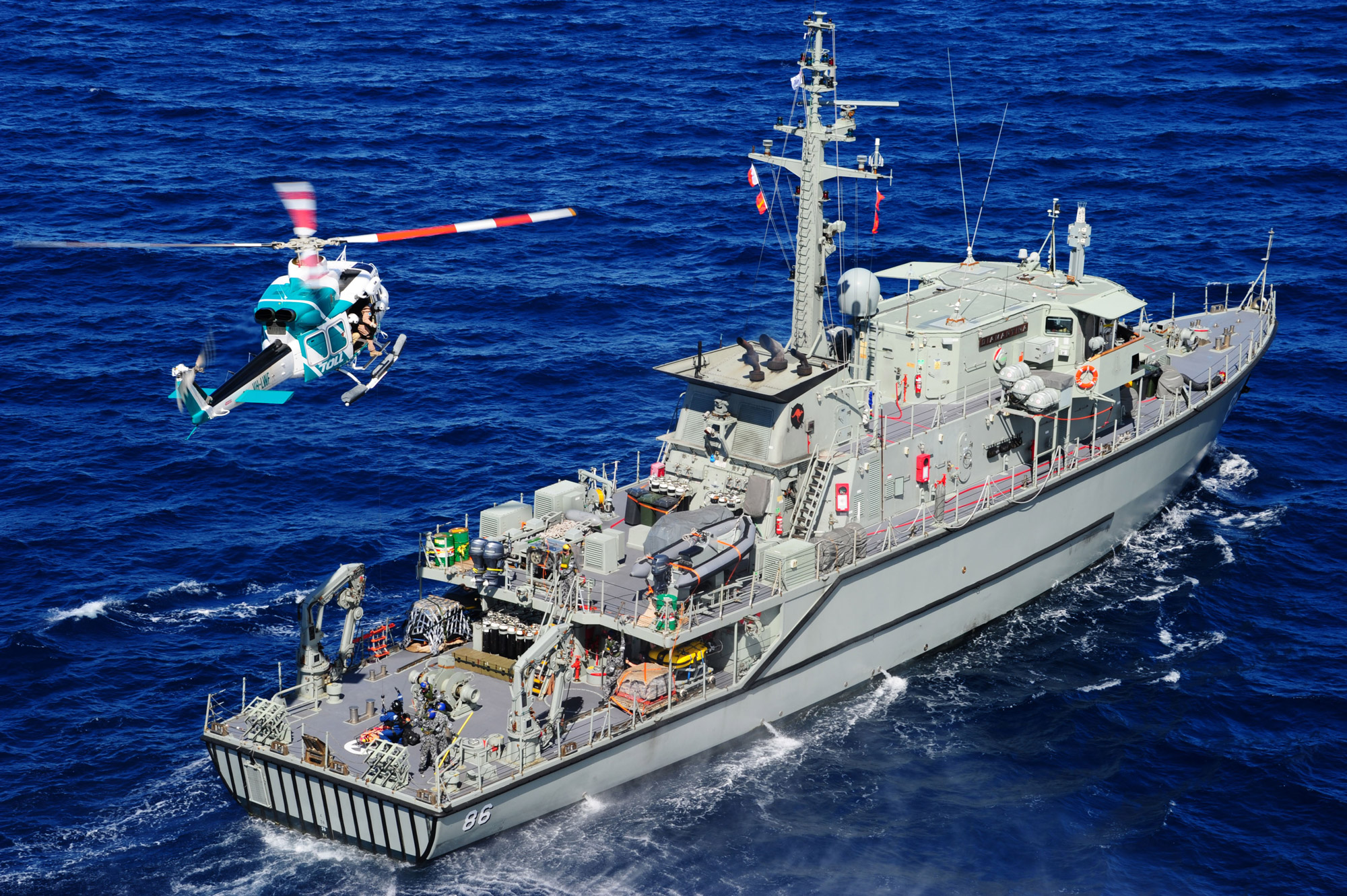
Toll has the infrastructure, people, and government relationships resident across the region rather than projected into it. That includes purpose-built defense logistics facilities and a workforce experienced in supporting military customers, including more than two decades of continuous support to the Australian Defence Force in some of the most demanding environments in the theatre.
A data center under construction at Waltham Cross, England. Credit: Hugo Kirk/Getty Images
The positioning is deliberate. Our operations at Subic Bay in the Philippines sit inside the first island chain, adjacent to the South China Sea, at one of the finest deep-water harbors on the western Pacific rim. Our Singapore operations sit at the hinge of the Malacca Strait, the most consequential trade chokepoint in the region. Across the wider theatre, our network covers the ports, airfields, and corridors that any sustainment concept ultimately depends on.
The point is not the map for its own sake. Distributed sustainment only works if there is distributed infrastructure to sustain from, and that infrastructure cannot be built after a crisis begins. Toll's network represents capacity that is pre-positioned where the contested logistics problem concentrates.
Defense cargo is not commercial freight. How does Toll address the compliance and custody demands that come with it?
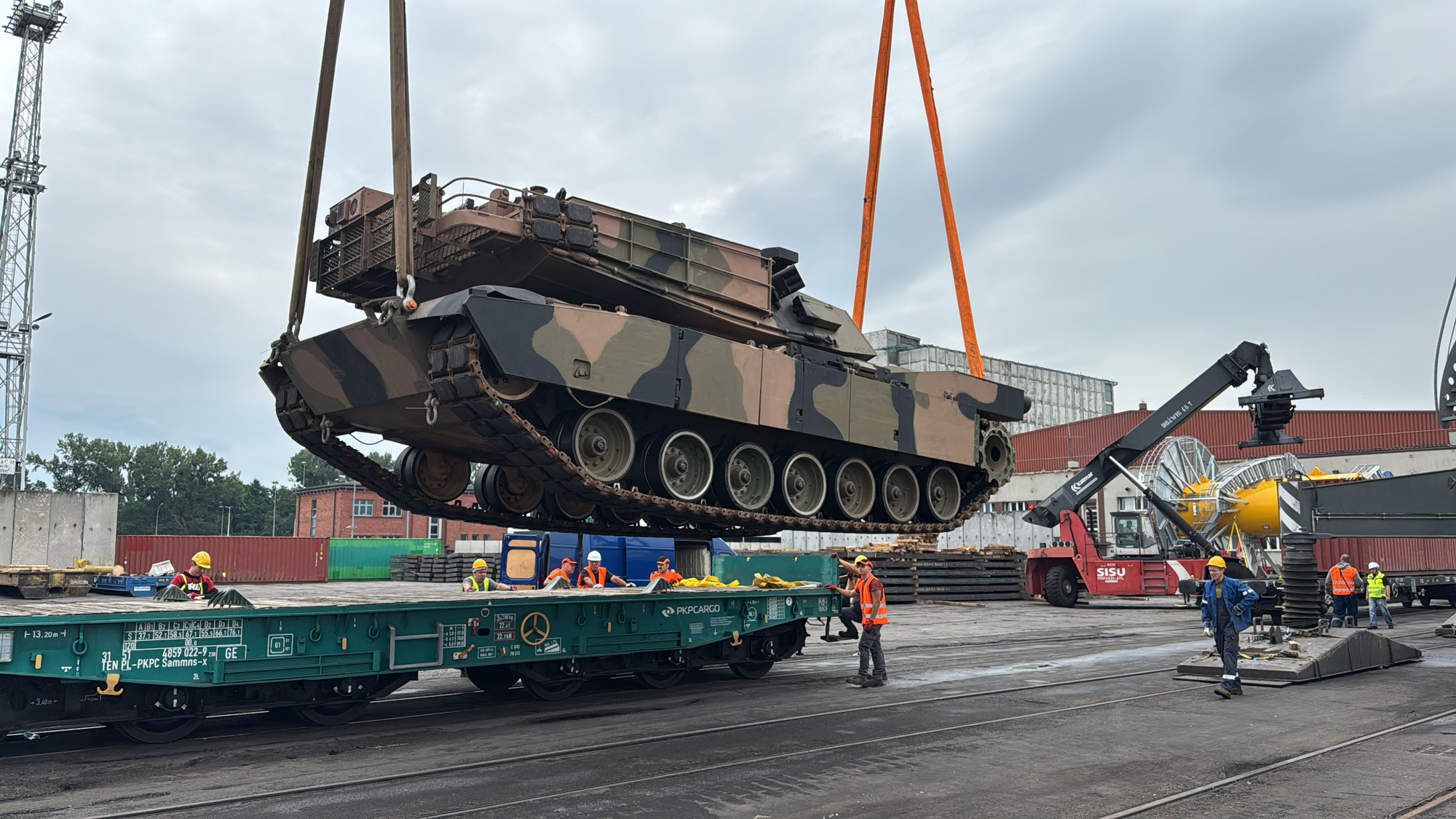
JF: This is where defense logistics separate most sharply from the commercial world. Moving ITAR-controlled equipment is not a transportation problem with paperwork attached. It demands an auditable chain of custody, positive control at every handoff, vetted personnel, and accountability to a regulatory regime with serious consequences for failure. Commercial logistics were never built to that standard, and a provider cannot bolt it on after winning the work.
Toll has built for it deliberately. Toll Remote Logistics USA Inc. is our US entity, established to give American customers a domestic counterpart that meets US regulatory requirements directly. TRL USA holds DDTC registration under ITAR and Indirect Air Carrier certification with the TSA, and we are continuing to build out the entity's credentials and infrastructure to handle the most sensitive categories of defense movement.
A data center under construction at Waltham Cross, England. Credit: Hugo Kirk/Getty Images
This is the practical meaning of ‘‘from global to local’’. We leverage Toll's global assets, resources, capabilities, and networks to build solutions around each defense customer's requirement, and where a requirement calls for capability we do not yet hold, we invest and build it. The global network provides the in-theatre reach; the US entity provides the compliant, accountable interface through which American primes and government customers access it. For organizations that need Indo-Pacific logistics presence but must contract with a partner that meets US standards, that combination is what we have spent years building.
As a division of Japan Post, we also bring substantial and secure financial backing, expert skills and extensive government and defense experience, ensuring Toll is a low-risk, trusted and reliable partner.
Learn more about how Toll's customised and integrated logistics solutions can assist in strengthening US defense supply chains at tollgroup-government-defence-enquiry.
Contact information
Toll Government and Defence
Email: government.defence@tollgroup.com
Web: www.tollgroup.com